
Education Day
Nandeesh Bevinahalli Nanjegowda
Nandeesh Bevinahalli Nanjegowda
Designation: Additional Professor
Affiliation: Dept. of Neuropathology, National Institute of Mental and Neurosciences, NIMHANS, Bangalore
Areas of Interest: Neuromuscular disorders, Neuroinfections, Neuro-oncopathology, Biobanking, Quality control (Lab medicine)
Publications: Around 100 (International & National)
Awards & Achievements: University rank and gold medallist, Delivered around 60 guest lectures
David Capper
David Capper
Dr. David Capper is professor of Molecular Neuropathology at Europe’s largest Hospital, the Charité Berlin and research group leader at the German Cancer Consortium (DKTK), partner site Berlin. His research focuses on the pathology and genetics of tumors of the central nervous system with a special focus on the development of specific diagnostic markers ("mutation-specific antibodies") and classification of brain tumors by genome-wide DNA methylation profiling. In addition, he headed the central pathology for several national and international clinical trials and registries (currently ongoing LOGGIC registry). He is speaker of the German Cancer Consortium (DKTK) program “Molecular Diagnostics”, board member of the Neurooncology Working Group (NOA) of the German Cancer Society and member of cIMPACT (Consortium to Inform Molecular and Practical Approaches to CNS Tumor Taxonomy).
Carsten Dittmayer
Carsten Dittmayer
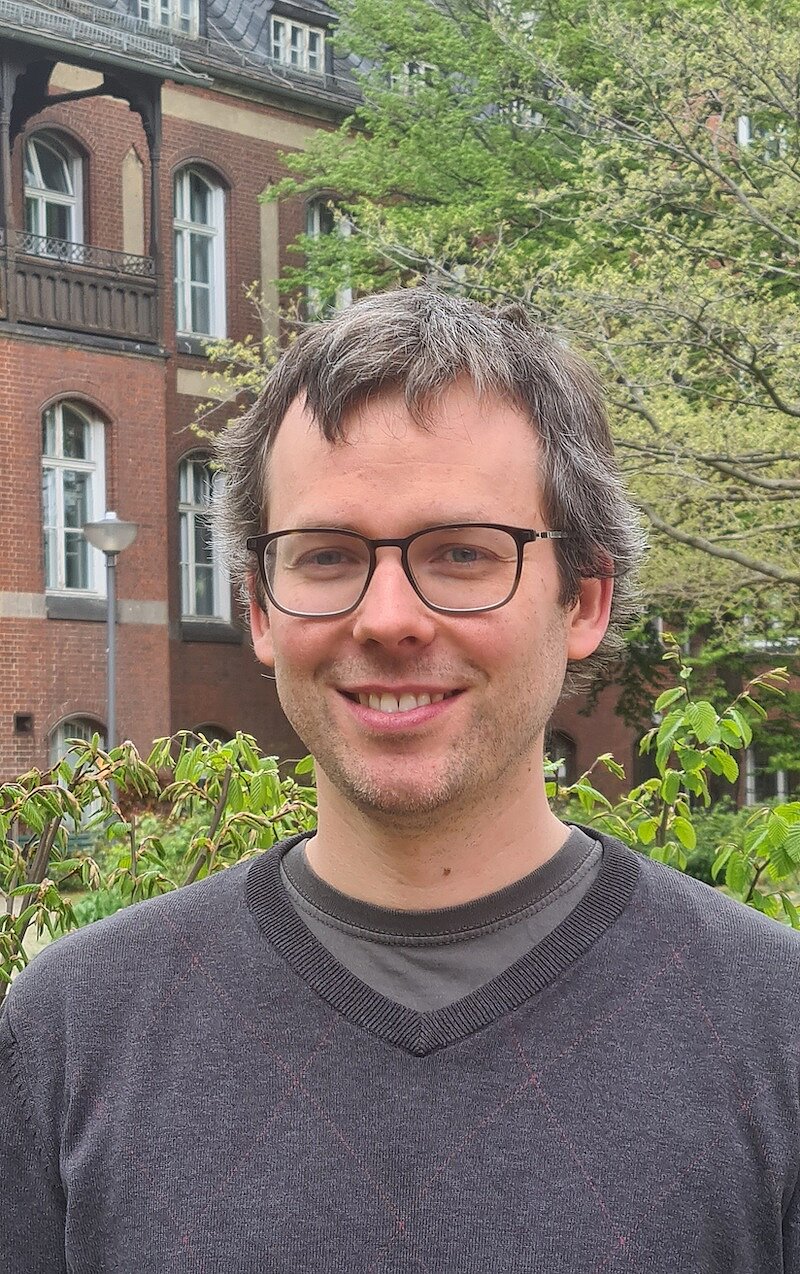
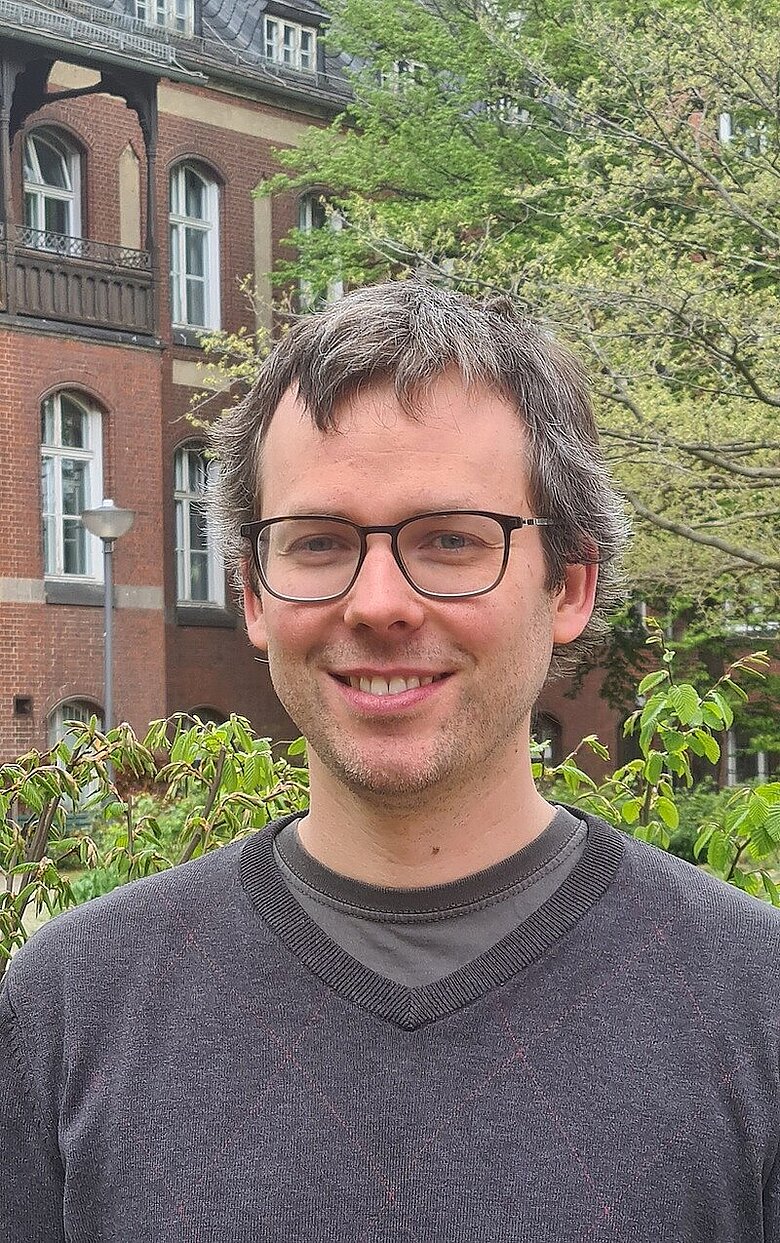
Carsten Dittmayer is a board certified Neuropathologist and working in the Department of Neuropathology in Berlin at the Charité Hospital. In the diagnostic routine, he enjoys the workup of a wide spectrum of samples including muscle&nerve, tumor and neurodegenerative disease. His research focus is the improvement and implementation of modern electron microscopy techniques for enhanced analysis of human diagnostic samples for diagnostic and research purposes. He also aims at improving access to modern ultrastructural analysis in general. He applied large-scale digitization of entire ultrathin sections for improved 2D ultrastructural analysis in a wide range of applications, mainly in myopathology, but also in infectious and kidney disease.
Dr. Carsten Dittmayer
Neuropathologist
Department of Neuropathology
Charité - Universitätsmedizin
10117 Berlin, Germany
Philipp Euskirchen
Philipp Euskirchen
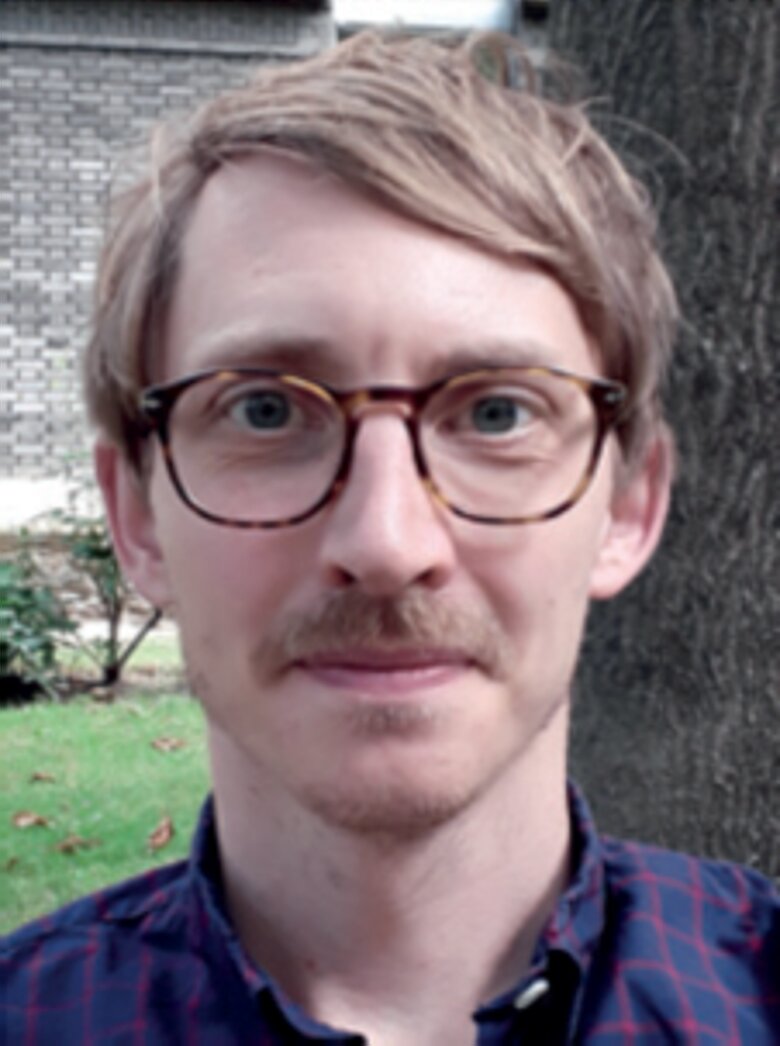
Philipp is a clinical neurologist and neuro-oncologist. He completed medical school in Cologne, Germany, doctoral training at University of Bergen, Norway, and post-doctoral training at the Pitié-Salpêtrière’s Brain and Spinal Cord Disorder Institute in Paris, France. After his residency at the Dept. of Neurology at Charité - Universitätsmedizin Berlin, he specialized in precision oncology at the Charité Comprehensive Cancer Center. He leads the Molecular Neuro-Oncology lab at Charité - Universitätsmedizin Berlin, Germany. The group focuses on the molecular heterogeneity and classification of brain tumors using next-generation and especially long-read sequencing technologies.
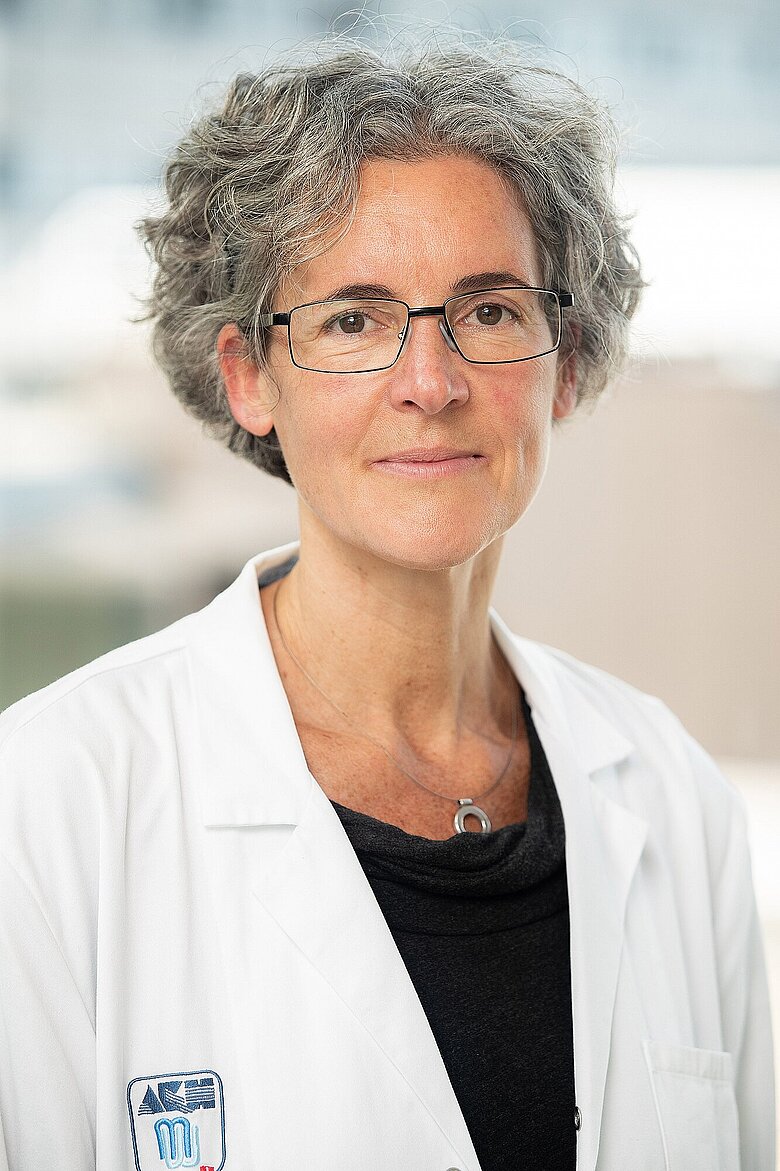
Ellen Gelpi-Mantius
Ellen Gelpi-Mantius
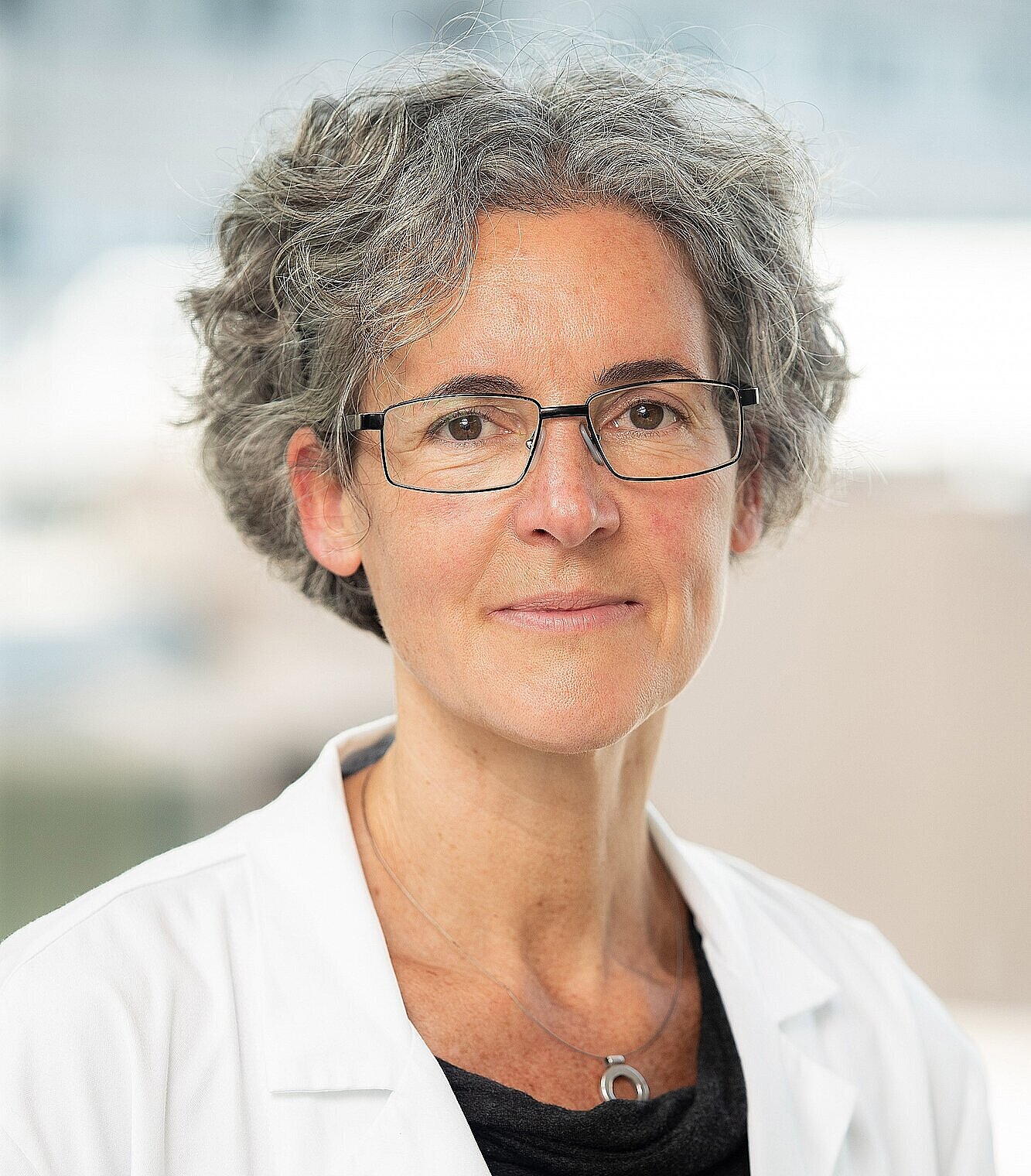
After specializing in Neurology in Barcelona, she completed her Neuropathology training in Vienna, Austria, under the auspices of Herbert Budka. She lead the Barcelona Brain Bank for neurodegenerative disorders (Biobanc-Hospital Clinic-IDIBAPS) from 2009-2017. Since 2107 she is back in Vienna, and leads the neurodegeneration and prion disease area at the Division of Neuropathology and Neurochemistry of the Department of Neurology, Medical University of Vienna.
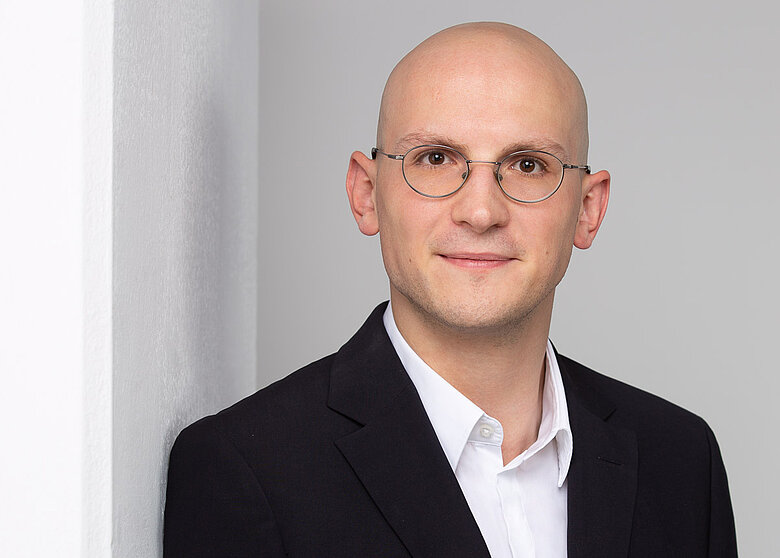
Linus Haberbosch
Linus Haberbosch
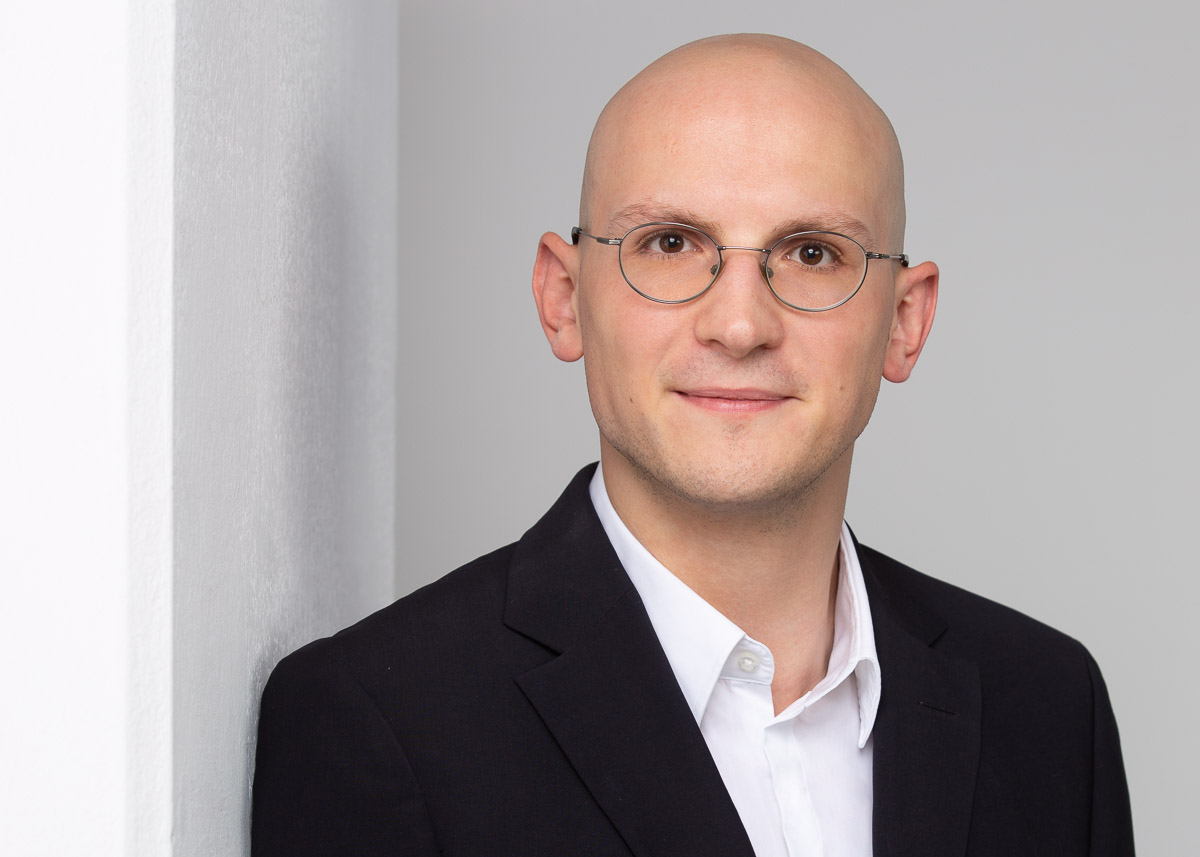
Dr. Linus Haberbosch is a clinical endocrinologist based at the Department of Endocrinology, Diabetology and Metabolic Diseases of the Charité Universitätsmedizin Berlin. With a background in neuroscience, his current research focuses on neuroendocrine interactions. He is a fellow of the Berlin Institute of Health (BIH) Junior Digital Clinician Scientist program and currently serves as the Principal Investigator of the Patient Reported Outcome Feedback in Hypopituitarism (PROFiH) study.
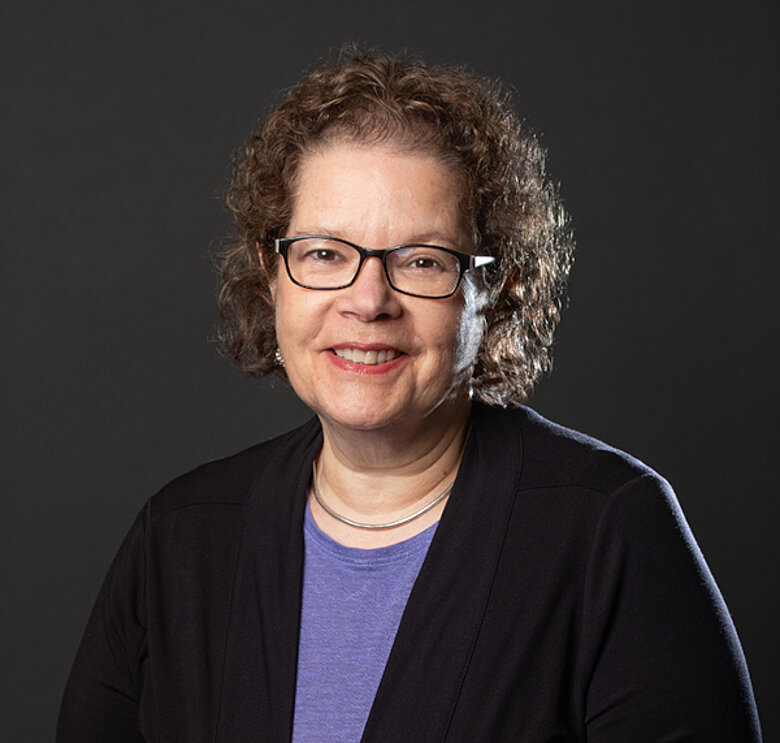
Maria-Beatriz Lopes
Maria-Beatriz Lopes
M. Beatriz S. Lopes received her MD and PhD degrees at the University of São Paulo in São Paulo, Brazil. She completed her Anatomic Pathology and Neuropathology training at the University of São Paulo followed by a Clinical and Research Neuropathology Fellowship at the University of Virginia in Charlottesville, Virginia, USA.
His research is focused on pathomechanisms of neuromuscular and neurodegenerative diseases including protective and regenerative processes with a special focus on the role of endoplasmic reticulum pathology and disturbed proteostasis and autophagy.
Her clinical and research expertise is in brain tumors and pituitary pathology with over 200 peer-reviewed manuscripts, 60 textbook chapters, and co-editor of 2 books in these areas. She has authored several chapters in both the WHO Classification of Brain and Pituitary Gland Tumors since 2000 and 2004, respectively, and has actively participated in the new 5th Edition of WHO Blue Books.
She is Associate Editor of Journal of Neuropathology & Experimental Neurology and Editorial Board member of American Journal of Surgical Pathology and Pituitary.
Dr. Lopes is the past-President of the American Association of Neuropathologists for the 2021-2022 academic year.
Anita Mahadevan
Anita Mahadevan
Dr. Anita Mahadevan is Professor and Head of the Department of Neuropathology at the National Institute of Mental Health & Neurosciences, which is a premier neurosciences Institute at Bangalore, India considered an Institute of National Importance. Her research interests have been in infections of nervous system, peripheral neuropathies, neuropathology of epilepsy and autoimmune disorders. In addition, she heads the only Brain Bank in the country. She initiated the Autoimmune Laboratory, which is a referral centre for the country. Her focus has been on understanding pathobiology of CNS infections, in particular NeuroAIDS, rabies and prion diseases using cellular, proteogenomic and molecular approaches she expanded her research to unravel pathogenetic basis disease. Her recent research is focussed on elucidating the role of glia and mitochondrial dysfunction in epilepsy. She is a founder member of Neuropathology Society of India.
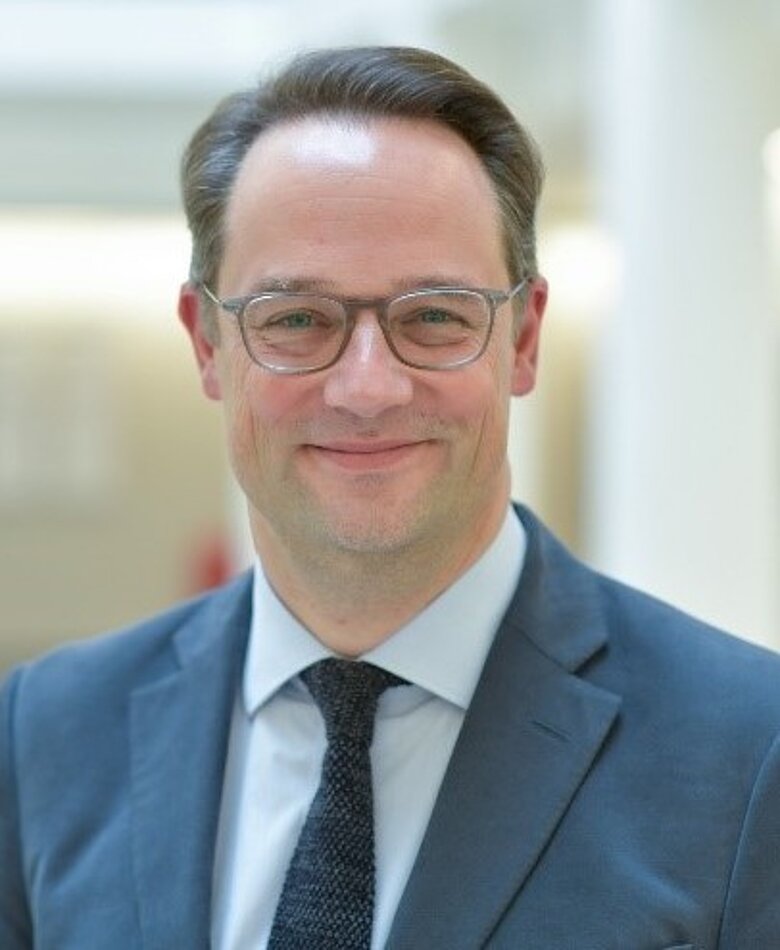
Matthias Ochs
Matthias Ochs
Matthias Ochs is Professor of Anatomy at Charité - Universitätsmedizin Berlin. He went to Medical School and did his doctorate (Dr. med.) and his specialization in Anatomy at the University of Göttingen. After scientific work in San Francisco (Cardiovascular Research Institute at UCSF) and Bern (Institute of Anatomy, habilitation), he took over the position as Professor of Functional and Applied Anatomy at Hannover Medical School in 2009. In 2019 he moved to Berlin to his current position at Charité where he heads the Institute of Functional Anatomy and the Core Facility Electron Microscopy. His research focusses on the functional analysis of the fine structure of the lung, in particular the alveolar epithelium and surfactant system under physiological and pathological conditions, and on electron microscopical and stereological methods.
Piero Parchi
Piero Parchi
Piero Parchi is an Associate Professor of Neurology and Director of the Program on the Neuropathology of Neurodegenerative diseases at the Institute of Neurological Sciences of Bologna, Italy. Professor Parchi received his M.D. and specialty titles in Neurology and Anatomic Pathology from the University of Bologna and his Ph.D. in Neurosciences from the University of Verona, Italy.
Since 1993 he has primarily conducted research studies on the molecular basis of phenotypic variability in human prion disease, initially at the Division of Neuropathology, Institute of Pathology, CWRU, in Cleveland, USA, and then in Italy. The results of his work have significantly contributed to the characterization of human prion strains and the current classification of Creutzfeldt-Jakob disease variants.
Since 2015 he has expanded his research interests to the clinical validation of pathology-driven biofluid biomarkers for the early diagnosis of prion diseases and Lewy body disorders, exploiting novel ultrasensitive seed amplification assays to detect misfolded prion and alpha-synuclein.
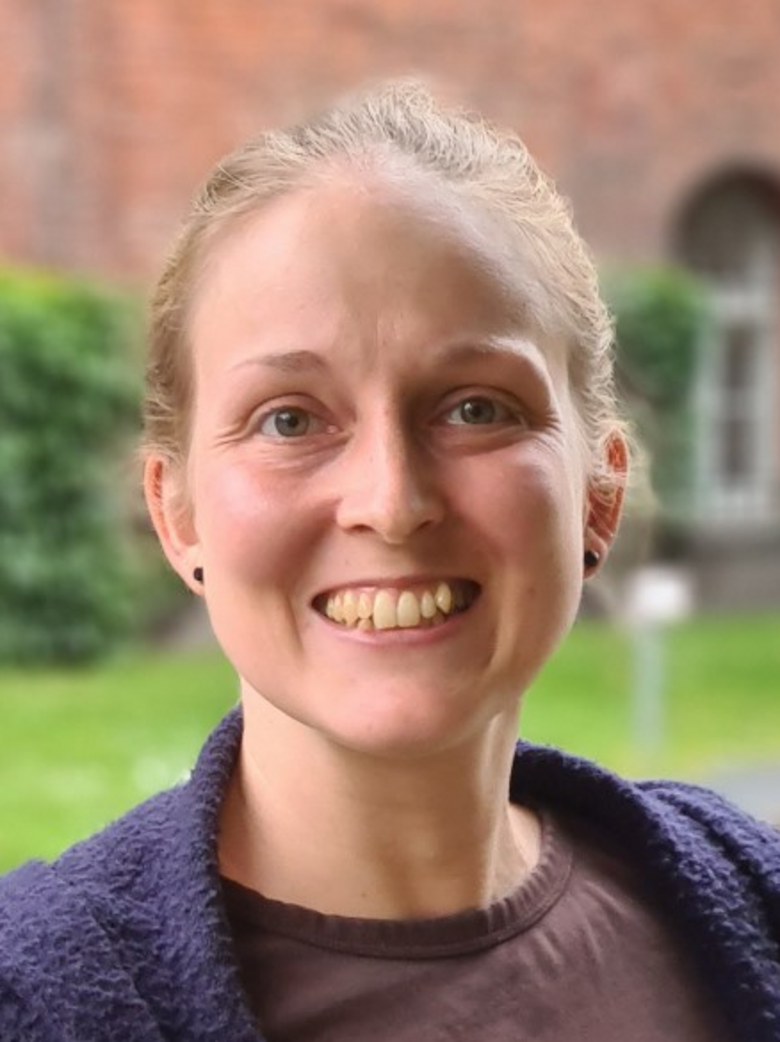
Simone Schmid
Simone Schmid
Simone Schmid is a board certified Neuropathologist and working in the Department of Neuropathology in Berlin at the Charité Hospital. Her research focus is the improvement of tumor classification utilizing molecular techniques in general and especially genome wide DNA-methylation analysis. She is involved in the scientific and reference diagnostic workup of the Low-Grade Glioma in Children (LOGGIC) registry and the LOGGIC Core BioClinical Databank and member of EVEREST. She is interested in cancer evolution, such as genomic events leading to disease progression or malignant transition.
Dr. Simone Schmid
Neuropathologist
Department of Neuropathology
Charité – Universitätsmedizin
10117 Berlin, Germany
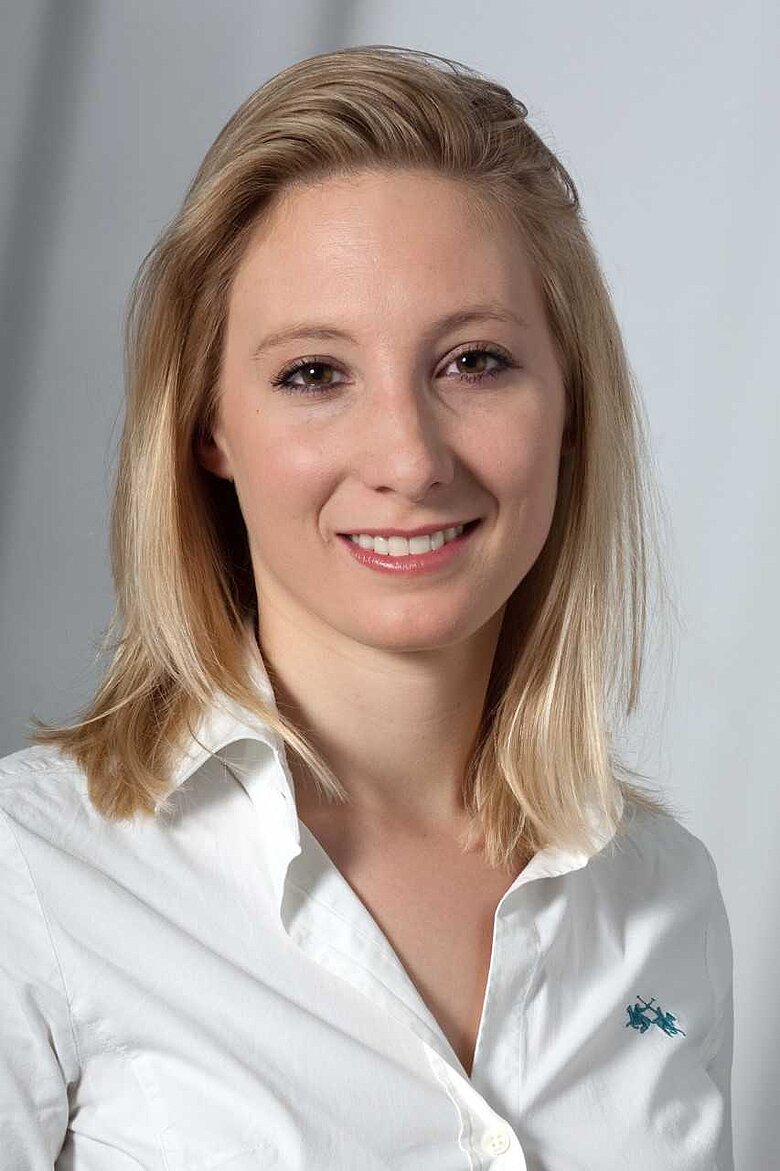
Leonille Schweizer
Leonille Schweizer
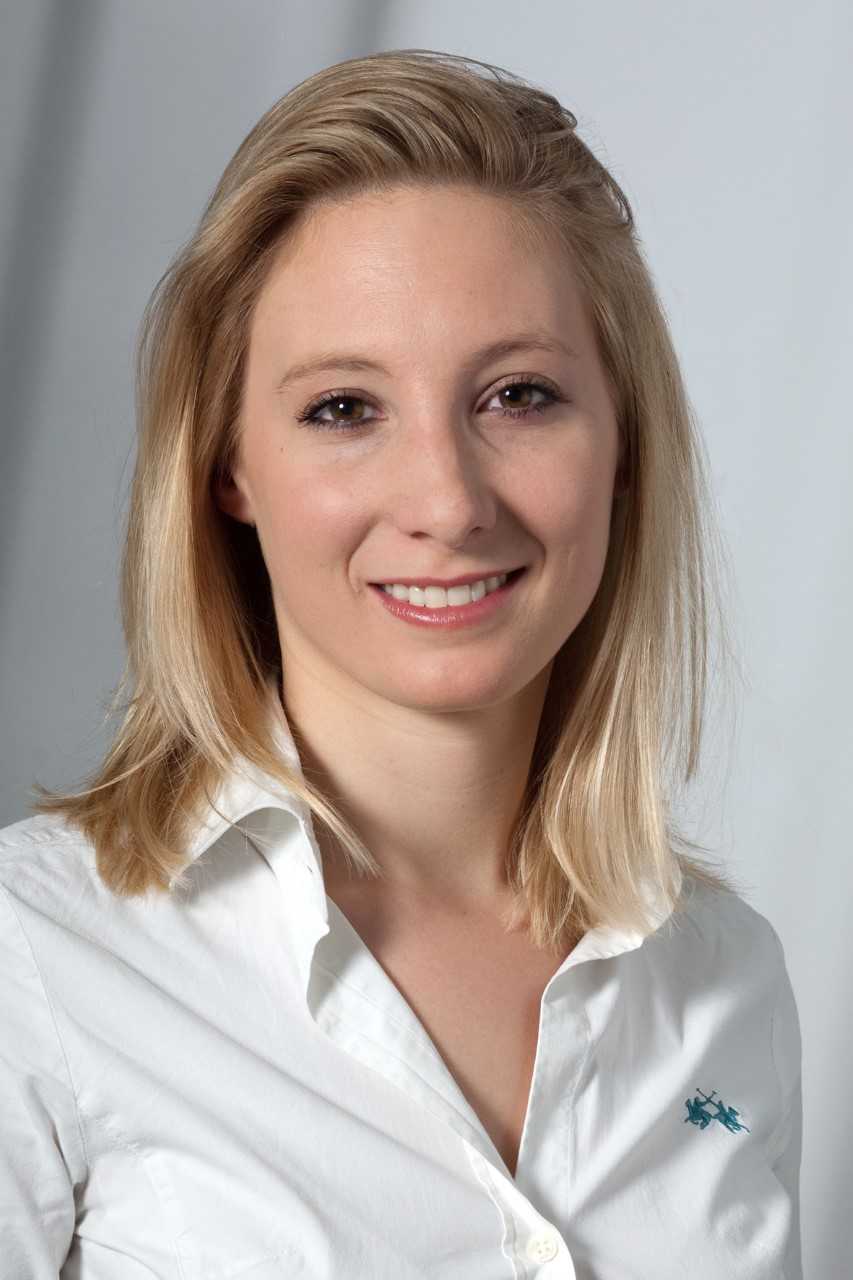
Leonille Schweizer, MD, is a senior consultant in neuropathology at the Institute of Neurology (Edinger Institute) of the University Hospital Frankfurt am Main in Germany. She has expertise in molecular neuropathology and diagnostics, including genome-wide DNA methylation analysis and next-generation sequencing. Her research focuses on the identification of novel clinically relevant subgroups of brain tumors and prognostic biomarkers. Her work includes studies on the molecular characterization of rare brain cancer types, e.g. cauda equina neuroendocrine tumors, mixed subependymoma-ependymomas and central neurocytomas. She has a strong interest in the development of machine learning algorithms for routine diagnostics and the implementation of explainable deep learning-based analysis of cerebrospinal fluid.
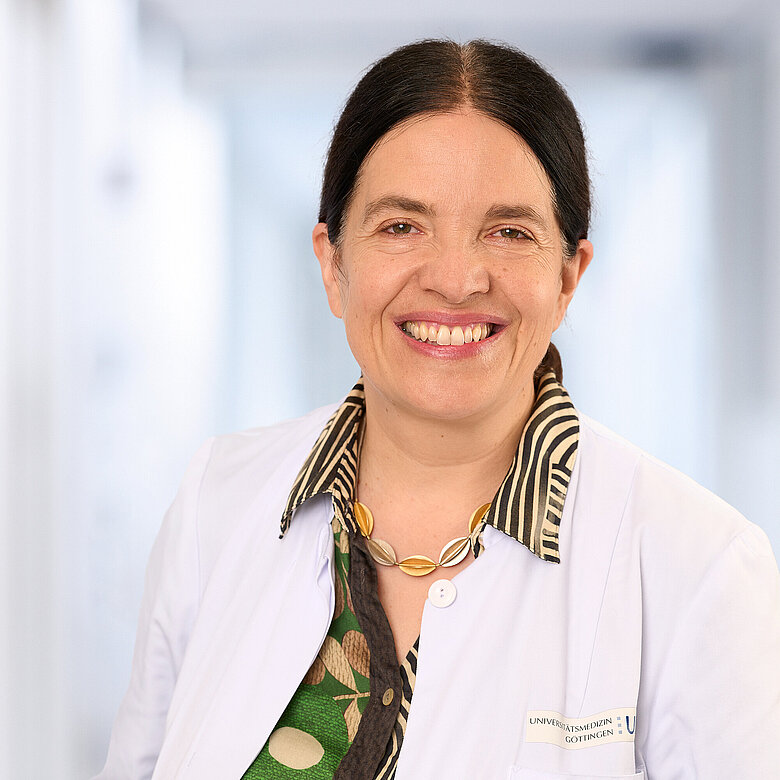
Christine Stadelmann-Nessler
Christine Stadelmann-Nessler
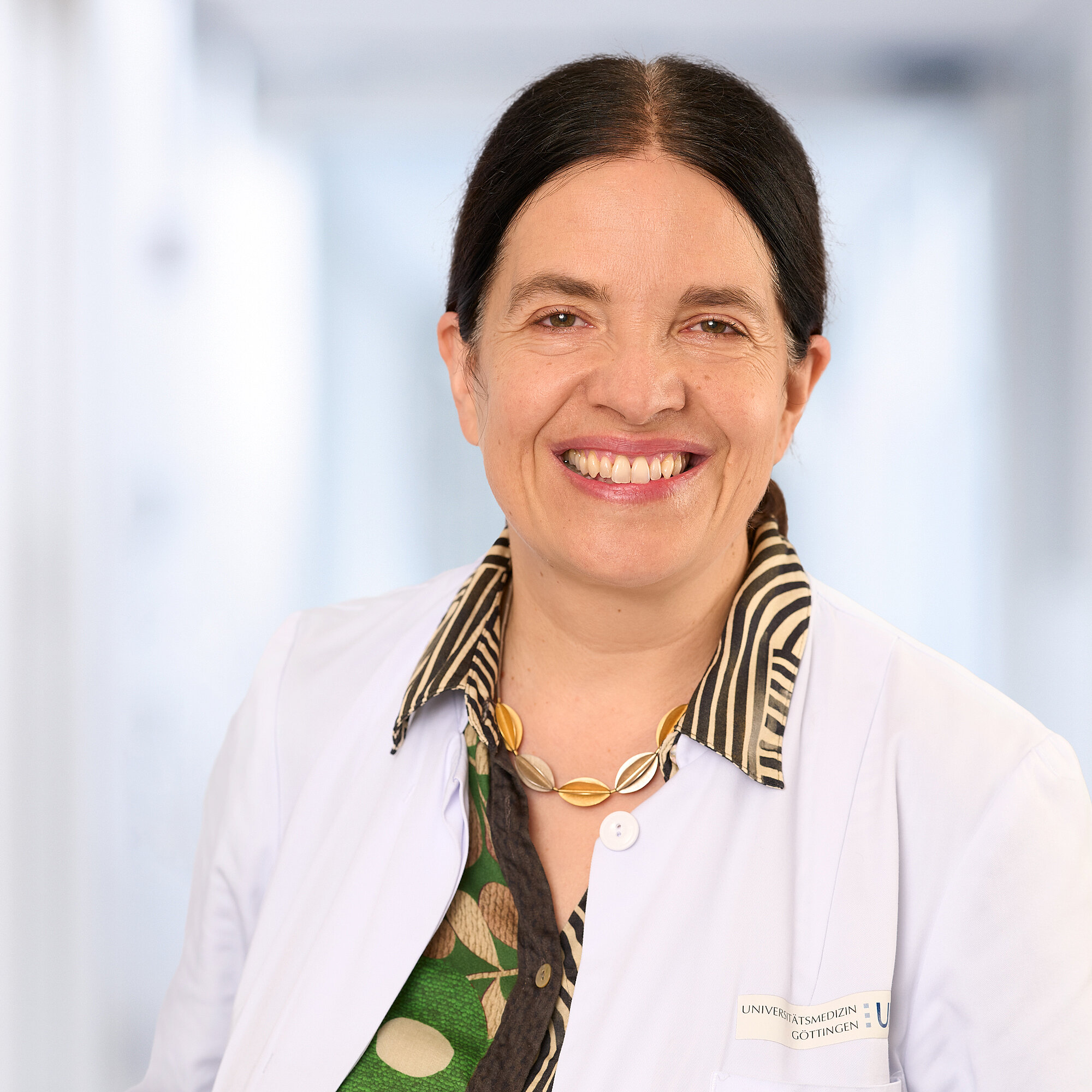
Christine Stadelmann-Nessler is a clinical and research neuropathologist at the University Medical Center Göttingen, Germany. She received her M.D. from Vienna Medical School, Austria, and underwent postgraduate training with Hans Lassmann and Wolfgang Brück. She combines experimental work and studies in human brain tissue to elucidate the pathogenesis of multiple sclerosis and related inflammatory and demyelinating diseases. She is an expert in the neuropathological differential diagnosis of inflammatory CNS diseases, and engages in brain banking activities. Her research work focuses on the mechanisms of lesion formation and repair in multiple sclerosis. In particular, she is interested in understanding the contribution of innate immune cells to lesion formation. Also, her lab is studying the mechanisms of neuroaxonal damage in MS. In addition, she works on defining the tissue microenvironment required for efficient remyelination.
Werner Stenzel
Werner Stenzel
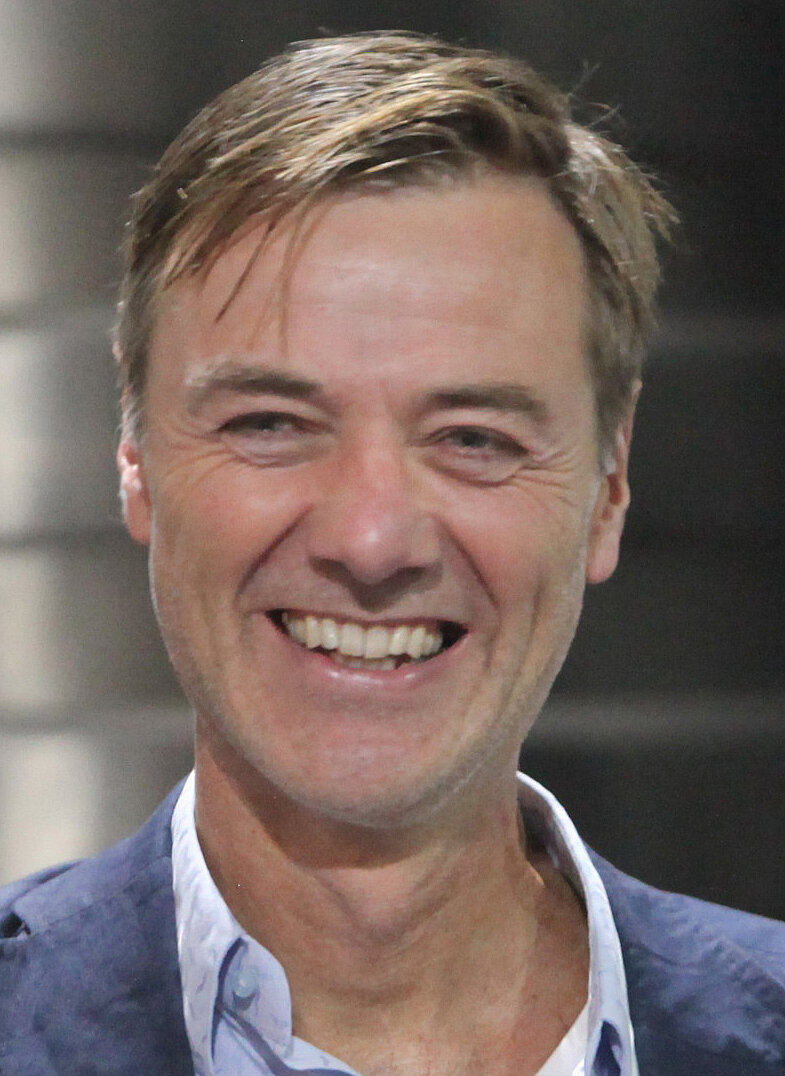
I am a Neuropathologist and Myopathologist, and board certified in general Neurology and in Neuropathology. Currently, I am the head of the neuromuscular diagnostic and research unit in Berlin at the Charité Hospital. I also act as co-Director of the German reference center of Neuromuscular diseases. My primary research interest is in juvenile and adult forms of myositis and inflammatory nerve pathologies. We study pathogenesis of the different subentities of myositis, pathogenicity of autoantibodies, cancer association and the role of different immune cells. We also use new techniques for ultrastructural myopathology in diagnostic routine as well as for research questions related to the identification and characterization of morphological features of new entities.
I am an Executive Associate Editor of Neuromuscular Disorders (NMD), and an Executive Editor for Neuropathology and Applied Neuropathology (NAN).
I actively serve on the programme committee and the executive committee since several years for the WMS.
My commitments extend to the European Neuromuscular Centre, where I am a member of the research committee. I have organized several workshops, and I have participated in numerous ones.
Dr. Werner Stenzel
Professor of Neuropathology and Neuroimmunology
Department of Neuropathology
Charité - Universitätsmedizin
10 117 BERLIN, Germany
Bastian Tops
Bastian Tops
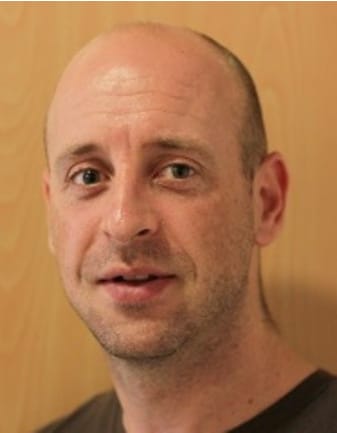
Dr. Tops is trained as a molecular biologist and is a registered clinical scientist in pathology. He is head of the Laboratory of Childhood Cancer Pathology in the Princess Máxima Center for pediatric oncology in The Netherlands since 2016. One of his main objectives is to ‘integrate’ research and diagnostics. This is done by facilitating the biobank of the center and by implementing ‘research’ techniques and findings into a diagnostic setting and thereby improving (precision) diagnostics. This has resulted in the implementation of ‘agnostic techniques’, like whole exome sequencing and transcriptome sequencing as standard-of-care.
Joachim Weis
Joachim Weis
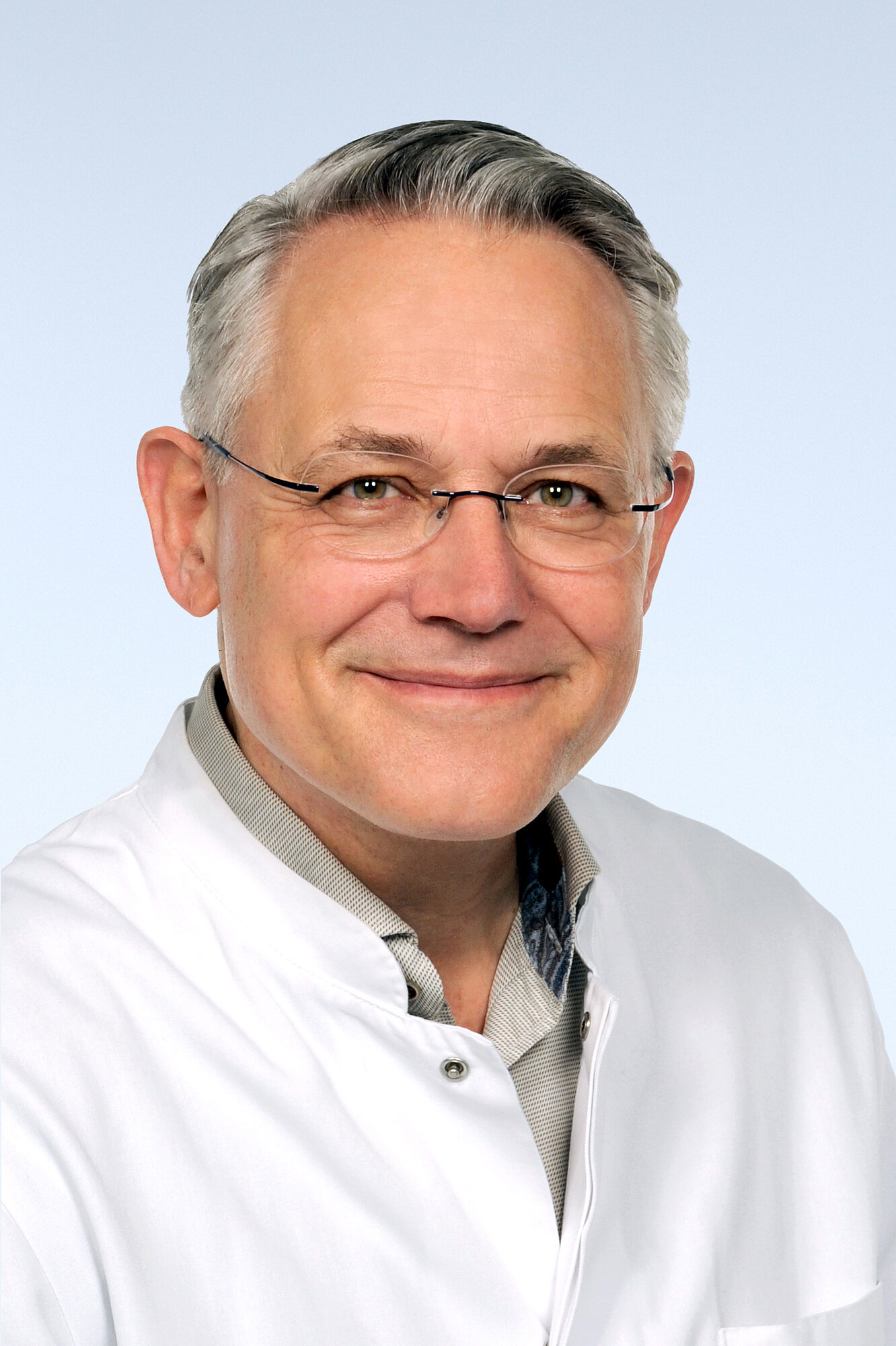
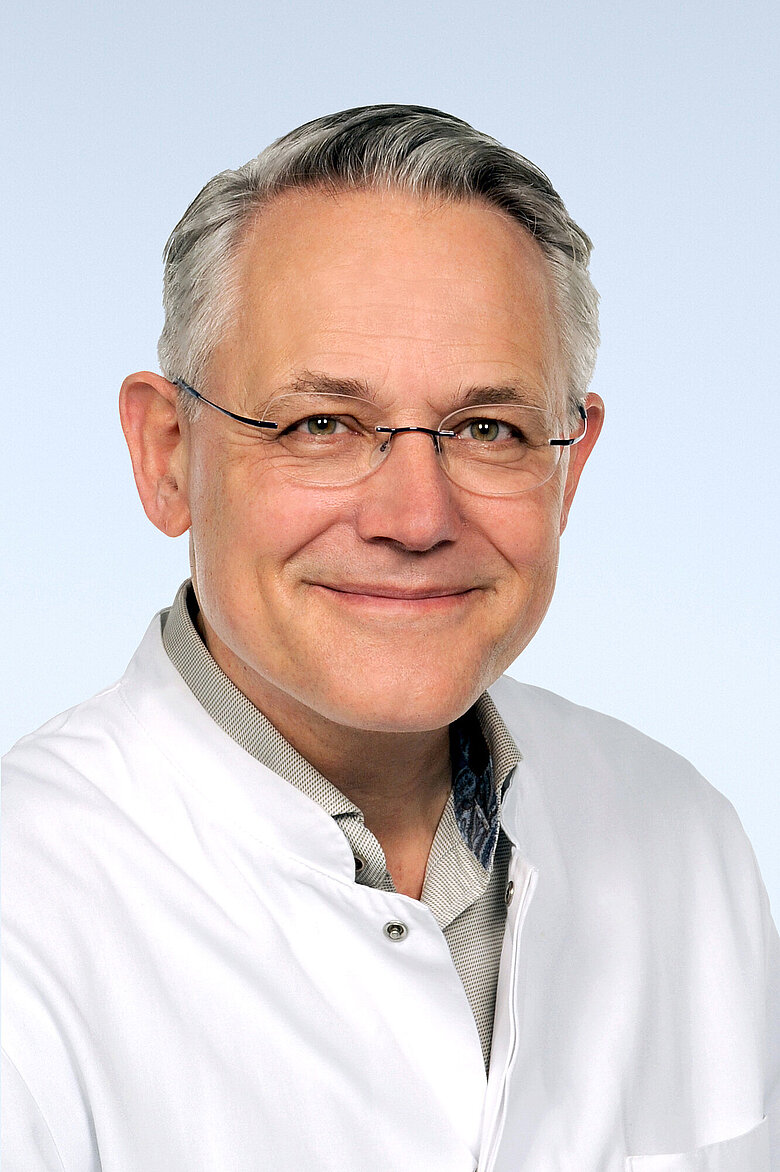
Dr. Joachim Weis is a full Professor and Director of the Institute of Neuropathology at RWTH University Hospital, Aachen. He is head of the Reference Center for Neuromuscular Diseases of the German Society of Neuropathology and Neuroanatomy (DGNN) and elected member of the Review Board “Neurosciences”, German Research Foundation (DFG). He is also Deputy member of the Board of Supervisors, RWTH University Hospital.
His research is focused on pathomechanisms of neuromuscular and neurodegenerative diseases including protective and regenerative processes with a special focus on the role of endoplasmic reticulum pathology and disturbed proteostasis and autophagy.
The methods employed include clinicopathological investigations of biopsy and autopsy tissues of human patients which are combined with basic research approaches using cell culture and mouse models, providing a unifying translational view. Genotype-phenotype correlations in hereditary neuromuscular disorders are performed in cooperation with clinical and genetic partners.
Email: [email protected]
Website including publications: https://www.ukaachen.de/en/clinics-institutes/title-en-64/dear-visitor/

Michael Laue
Michael Laue
Steven Moore
Steven Moore
Manuela Neumann
Manuela Neumann
Jean-Michel Vallat
Jean-Michel Vallat
EVEREST Pre-Congress-Symposium
Mimi Bandopadhayay
Mimi Bandopadhayay
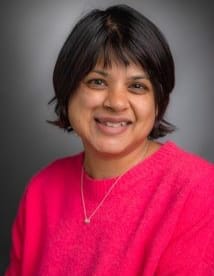
Dr. Mimi Bandopadhayay is an Assistant Professor of pediatrics at the Harvard Medical School and Associate Member of the Broad Institute of MIT and Harvard and a renowned pediatric neuro-oncologist and scientist at the Dana-Farber Cancer Institute/Boston Children’s Cancer and Blood Disorders Center in Boston, Massachusetts. Beside contributing to the care of children and young adults with brain tumors, her research focuses on identifying new targetable drivers for these difficult-to-treat cancers and characterize resistance mechanisms. Her work has led to significant advancements in the understanding and treatment of pediatric brain tumors, and she has received numerous awards and accolades for her contributions to the field.
Keith Ligon
Keith Ligon
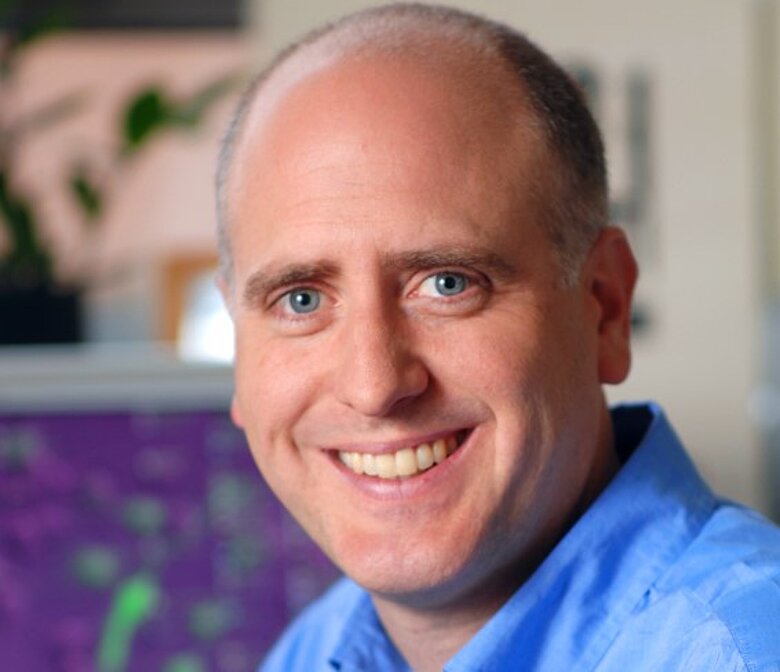
Dr. Ligon is a Physician-Scientist with expertise in neuropathology and oncology focused on improving the diagnosis and treatment of cancer. He is an Associate Professor of Pathology at Harvard Medical School with joint appointments at the Dana-Farber Cancer Institute, the Broad Institute, the Brigham and Women’s Hospital (BWH) and Boston Children’s Hospital. He is the Chief of Neuropathology at BWH/DFCI and the Director of the Center for Patient Derived Models (CPDM) at DFCI. His research and clinical activities have improved the scientific understanding of brain tumors. Several of the methods he has developed in his research have been implemented in the clinical pathology lab to improve patient diagnosis. He has also led efforts to train neuropathologists in the utilization of genomic tests in practice and led genomically informed clinical trials development at the local and national consortium levels.
Muscle and Nerve
Yves Allenbach
Yves Allenbach
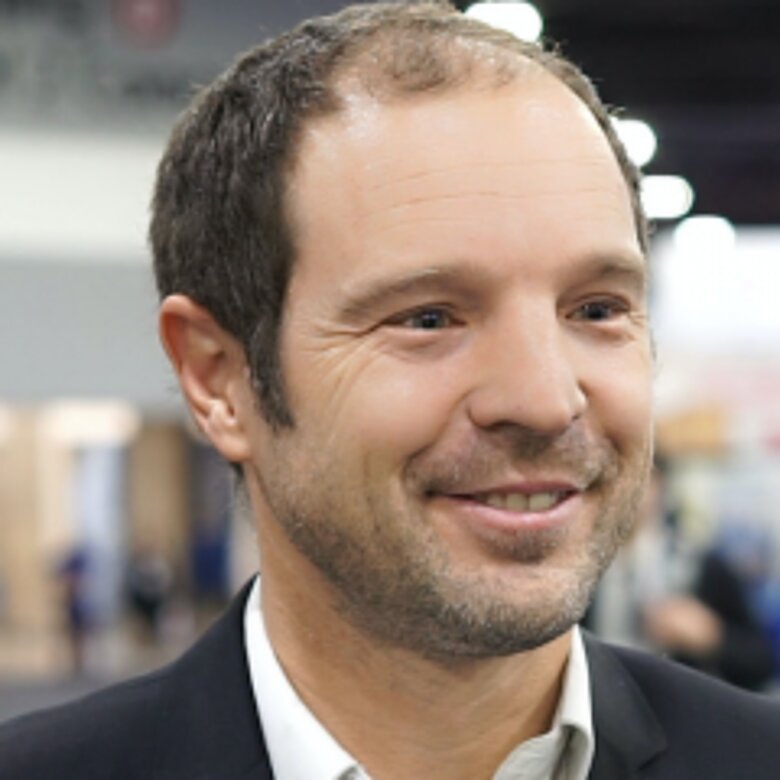
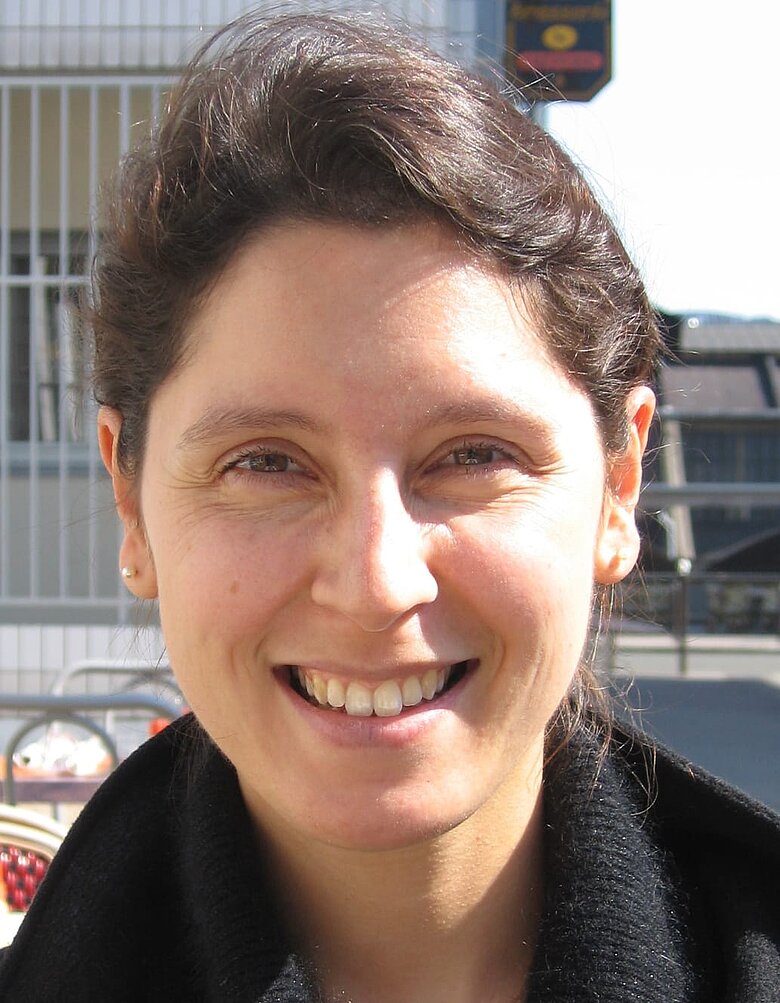
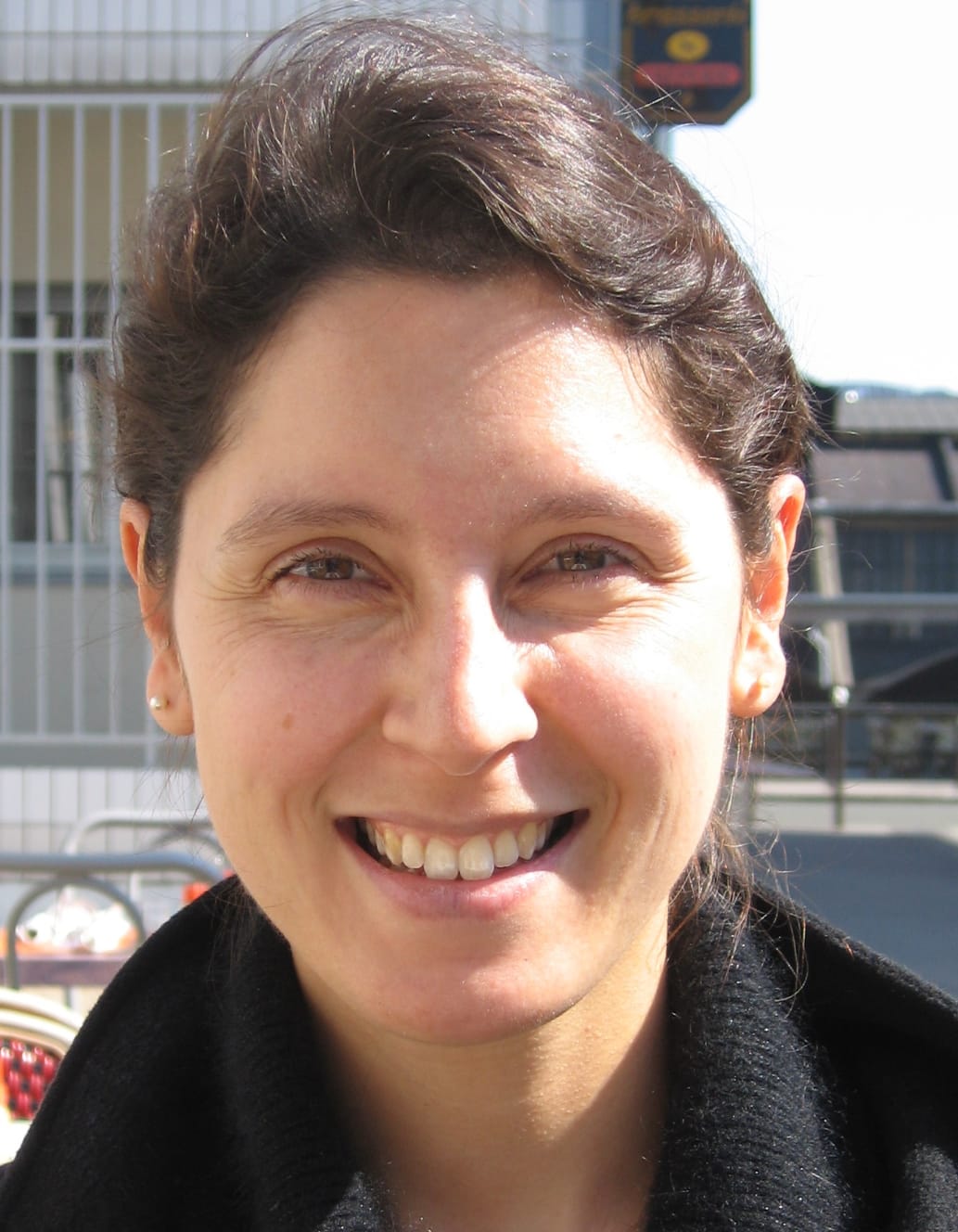
I am Professor in Internal Medicine and Clinical Immunology at Sorbonne University (Pitié Salpêtriére Hospital - Paris, France). I’m an expert in inflammatory muscle diseases. I acquired this clinical and research expertise after a PhD on the theme of myositis (Sorbonne University - Paris) and a Post-Doc in Myopathology (Charité Hospital - Berlin).
Today I lead research to improve the management of myositis patients in all aspects of the diseases: (i) the diagnosis, (ii) the classification and characterization of new inflammatory muscule pathologies (e.g. myotoxicity induced by immunotherapy) and (iii) patient follow-up. I also carried out research using muscle biopsies to clarify the pathophysiology of myositis. Together this work allowed me to develop and test new therapeutic approaches in therapeutic trials.
Kristl Claeys
Kristl Claeys
Kristl Claeys (MD, PhD) is a senior neurologist at the Department of Neurology and Neuromuscular Reference Center (NMRC) at University Hospitals Leuven and is assigned as Professor at the Department of Neurosciences, KU Leuven, Belgium. At KU Leuven, she is heading the Laboratory for Muscle Diseases and Neuropathies. Her research topics are clinical research, genetics and translational medicine in neuromuscular disorders, with a focus on hereditary muscle diseases. Kristl Claeys is an author on more than 160 publications in international peer-reviewed journals and wrote several book chapters, on diverse topics in the field of neuromuscular disorders. She is Principal Investigator of many academic research studies and international clinical trials. Kristl Claeys obtained the Emil Von Behring Chair in Neuromuscular and Neurodegenerative Disorders, provided by CSL Behring at KU Leuven. She is a reviewer for several scientific committees and international journals, and an Editorial Board member of Neurology. Kristl Claeys is the President of the Belgian Neurological Society (BNS) and Chair of the Belgian-Dutch Neuromuscular Study Club. She is a Board member of the European Reference Network for rare neuromuscular diseases (ERN EURO-NMD) and Co-Chair of the Management Group of the Scientific Panel of EAN on Muscle and Neuromuscular junction disorders of the European Academy of Neurology (EAN).
Laure Gallay
Laure Gallay
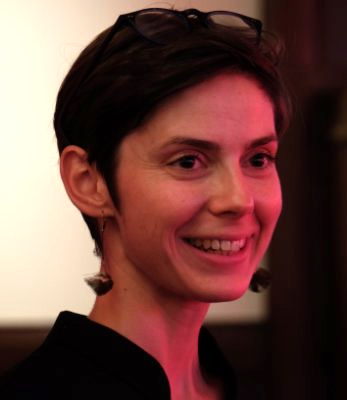
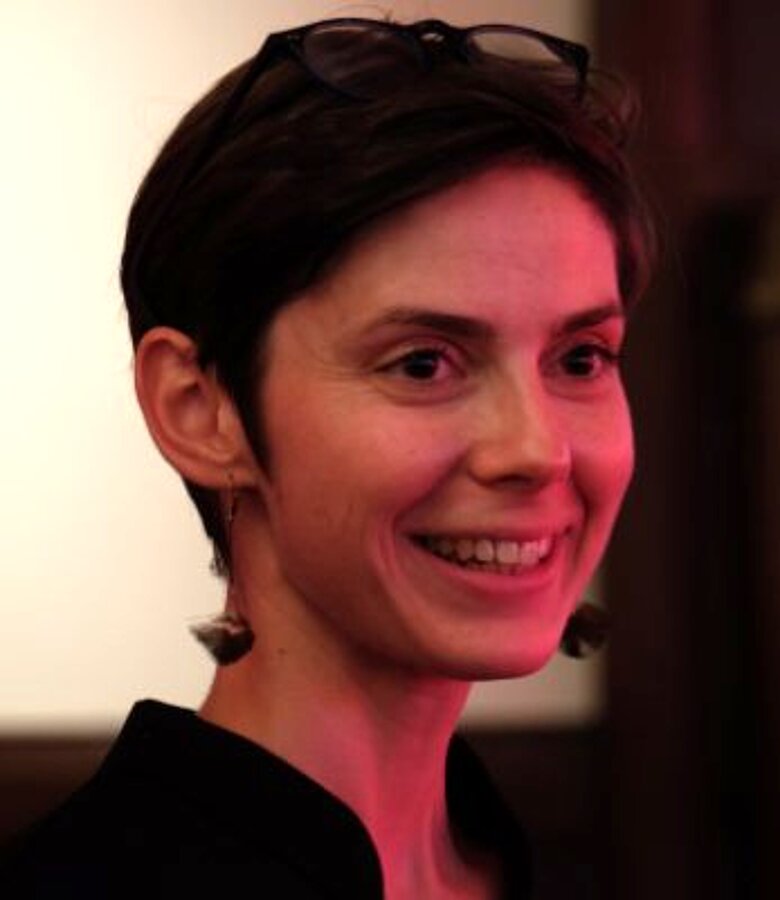
Laure Gallay is a 37 years old MD, PhD specialized in clinical immunology and rare diseases, whose main interests are neuro-muscular disorders, and more specifically acquired myopathies. She has developed expertise either on clinical and basic science areas and work to link both areas. Thanks to the AFM-Telethon financial support, she is currently performing a postdoctoral fellowship at university of Geneva, continuing investigations on muscle stem cells involvement in inflammatory myopathies pathogenesis.
Ichizo Nishino
Ichizo Nishino
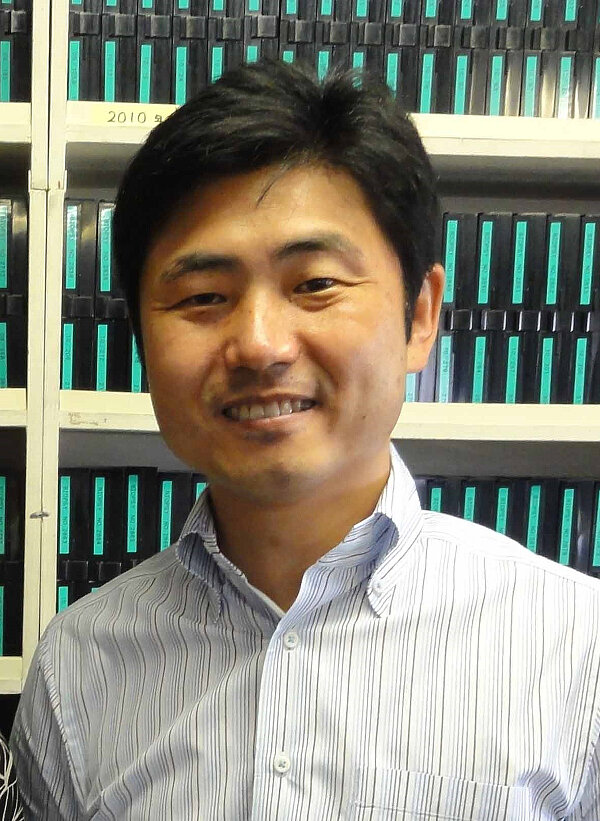
Dr. Ichizo Nishino is Director of Department of Neuromuscular Research, National Institute of Neuroscience (NIN), National Center of Neurology and Psychiatry (NCNP). He obtained his M.D. in 1989 and Ph.D. in 1998 from Kyoto University. After 5 years of post-doctoral training, including 2 years at Columbia University, he was appointed to his current position in 2001. His laboratory functions as a nationwide referral center for muscle disease, providing diagnostic analyses on muscle pathology and genetics. His lab receives around 80% of muscle biopsies performed in Japan (1119 cases in 2022) and he has been reading and signing out all cases for more than 20 years since 2001. As a result, more than 23,000 frozen muscle biopsy samples have been accumulated in his muscle repository, which is one of the largest collections of the patient’s muscles.
Andreas Roos
Andreas Roos
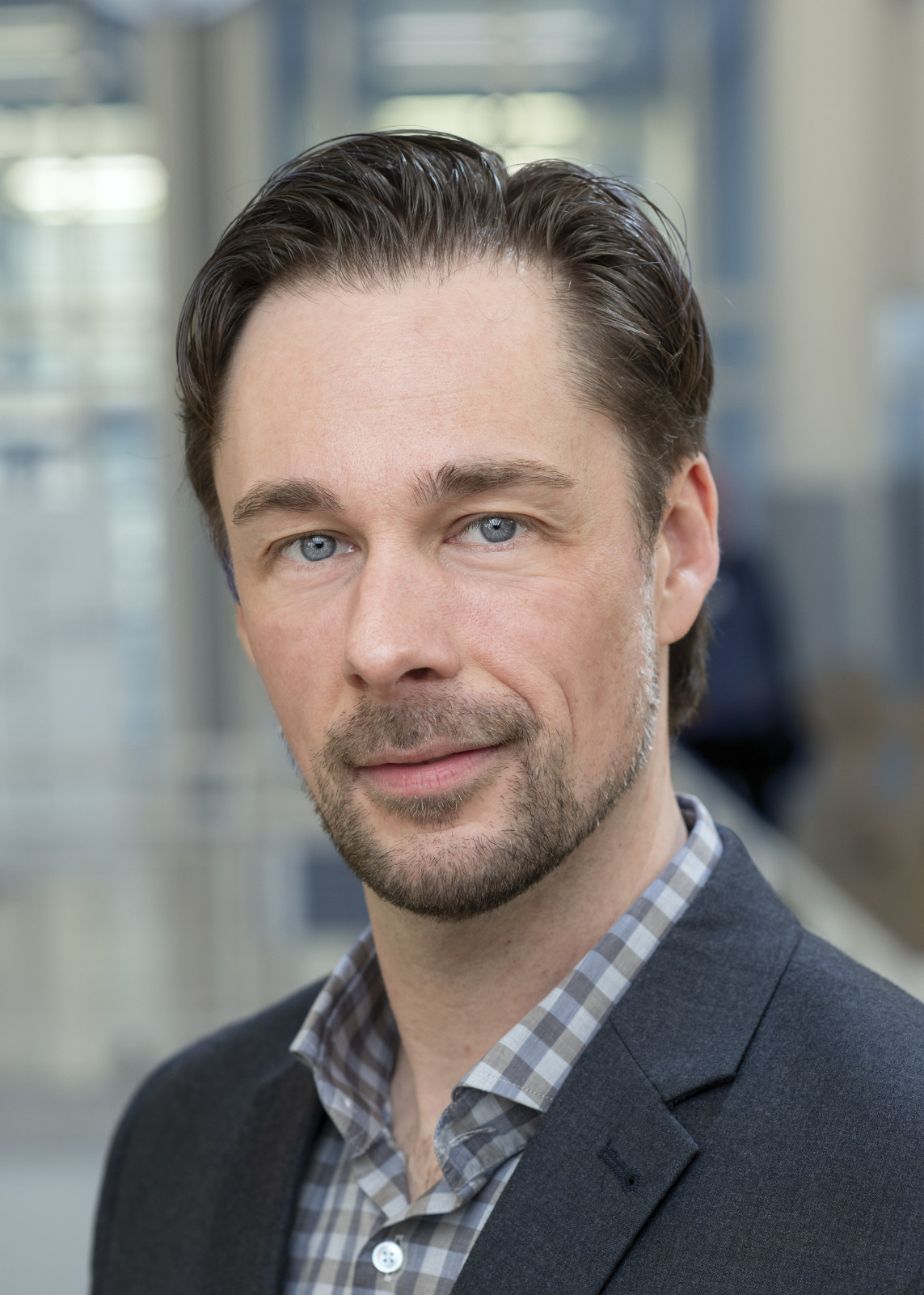
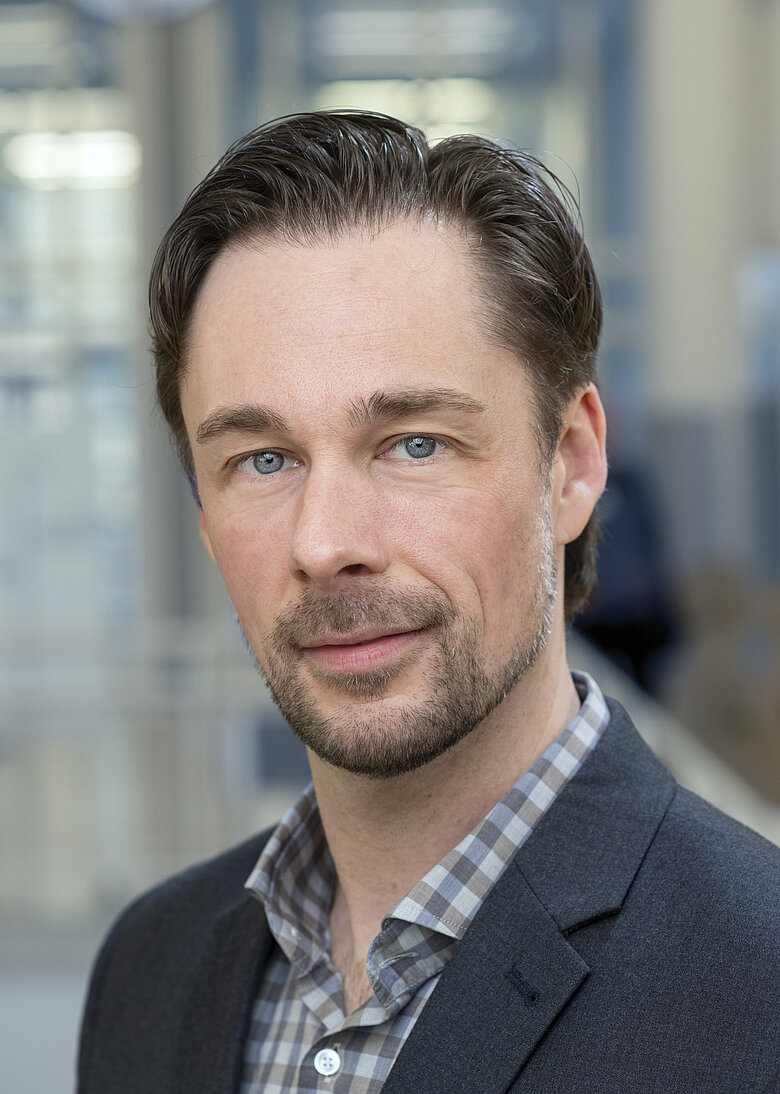
Andreas Roos is a biologist by training originally from North Rhine Westphalia in Germany. As a basic researcher he applies biochemical approaches, particularly different proteomic techniques, to obtain a broader understanding of the molecular etiology of neuromuscular diseases, to improve the current diagnostic portfolio of this disease group and to identify minimal-invasive biomarkers. He has a PhD in Human Genetics from RWTH-Aachen University (Germany). After starting a postdoc in the Institute of Neuropathology at the same University, he continued his research activities as a group leader at the Leibniz-Institute for Analytical Science followed by a position as scientific officer at the JWMDRC (Newcastle University, UK). In 2020, he obtained the habilitation through the Faculty of Medicine at the Duisburg-Essen University, granted Venia Legendi in “Translational Neuroscience”. Currently, he is working as the scientific officer of the Heimer Institute for Muscle Research (Ruhr University Bochum, Germany) and the Department for Paediatric Neurology (Duisburg-Essen University, Germany) and is moreover affiliated as Adjunct Professor to the Children's Hospital of Eastern Ontario in Ottawa (Canada).
Werner Stenzel
Werner Stenzel
I am a Neuropathologist and Myopathologist, and board certified in general Neurology and in Neuropathology. Currently, I am the head of the neuromuscular diagnostic and research unit in Berlin at the Charité Hospital. I also act as co-Director of the German reference center of Neuromuscular diseases. My primary research interest is in juvenile and adult forms of myositis and inflammatory nerve pathologies. We study pathogenesis of the different subentities of myositis, pathogenicity of autoantibodies, cancer association and the role of different immune cells. We also use new techniques for ultrastructural myopathology in diagnostic routine as well as for research questions related to the identification and characterization of morphological features of new entities.
I am an Executive Associate Editor of Neuromuscular Disorders (NMD), and an Executive Editor for Neuropathology and Applied Neuropathology (NAN).
I actively serve on the programme committee and the executive committee since several years for the WMS.
My commitments extend to the European Neuromuscular Centre, where I am a member of the research committee. I have organized several workshops, and I have participated in numerous ones.
Dr. Werner Stenzel
Professor of Neuropathology and Neuroimmunology
Department of Neuropathology
Charité - Universitätsmedizin
10 117 BERLIN, Germany
Joachim Weis
Joachim Weis
Dr. Joachim Weis is a full Professor and Director of the Institute of Neuropathology at RWTH University Hospital, Aachen. He is head of the Reference Center for Neuromuscular Diseases of the German Society of Neuropathology and Neuroanatomy (DGNN) and elected member of the Review Board “Neurosciences”, German Research Foundation (DFG). He is also Deputy member of the Board of Supervisors, RWTH University Hospital.
His research is focused on pathomechanisms of neuromuscular and neurodegenerative diseases including protective and regenerative processes with a special focus on the role of endoplasmic reticulum pathology and disturbed proteostasis and autophagy.
The methods employed include clinicopathological investigations of biopsy and autopsy tissues of human patients which are combined with basic research approaches using cell culture and mouse models, providing a unifying translational view. Genotype-phenotype correlations in hereditary neuromuscular disorders are performed in cooperation with clinical and genetic partners.
Email: [email protected]
Website including publications: https://www.ukaachen.de/en/clinics-institutes/title-en-64/dear-visitor/
Carsten Bonnemann
Carsten Bonnemann
Jean-Michel Vallat
Jean-Michel Vallat
Neurodegeneration

Bart De Strooper
Bart De Strooper
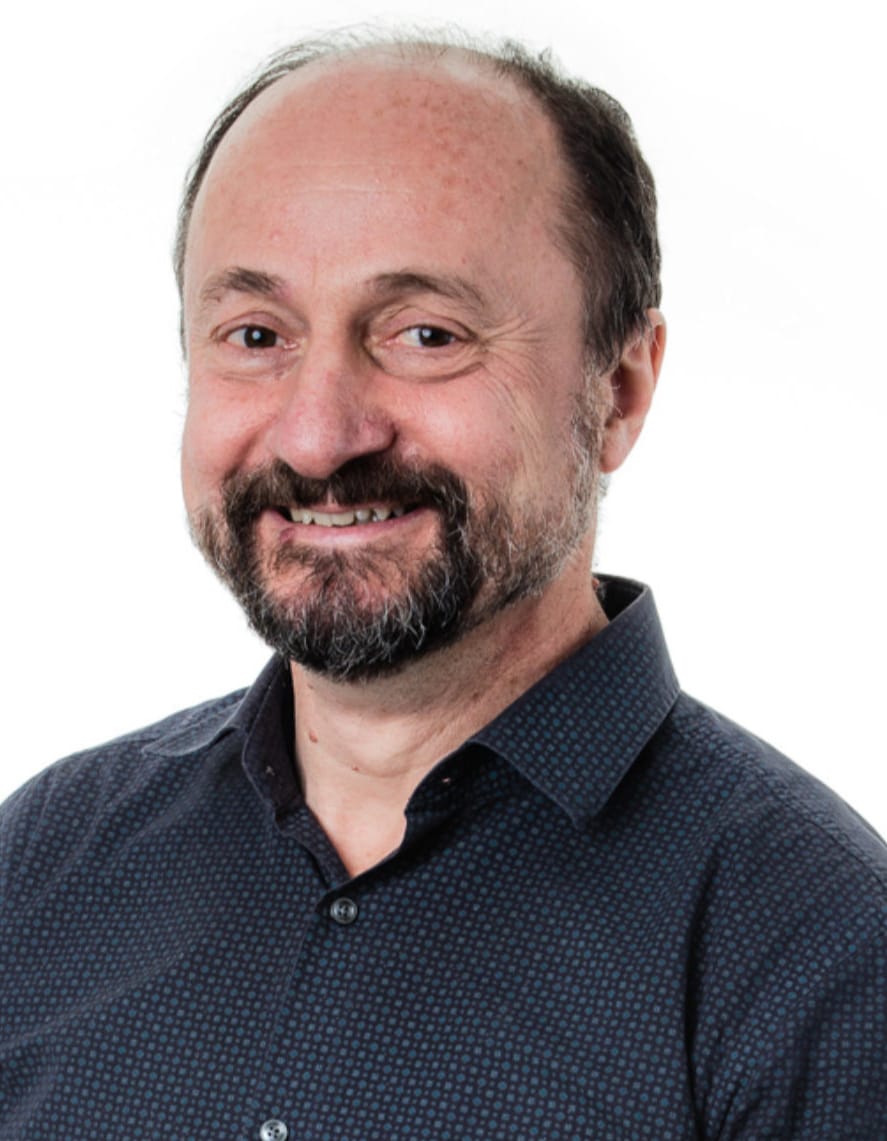
Bart De Strooper is scientific director of the UK-Dementia Research Institute since October 2016. He is professor of molecular medicine at the KU Leuven and VIB, Belgium and professor in dementia research at the University College London, UK.
Bart De Strooper’s scientific work focuses on the understanding of the fundamental mechanisms that underlie Alzheimer’s and Parkinson’s disease. His major findings are the identification of the intramembrane cleaving proteases called γ-secretases and their role in the proteolysis of the amyloid precursor protein and Notch. He has worked on microRNA, mitochondria, and more recently on the role of the different brain cell types in the pathogenesis of Alzheimer’s Disease.
He received his M.D. in 1985 and Ph.D. in 1991 from KU Leuven. He worked as postdoctoral researcher in the European Molecular Biology Laboratory (EMBL) in Heidelberg, Germany, in the laboratory of Carlos Dotti.
In 2018, Bart De Strooper, together with John Hardy, Christian Haas and Michel Goedert, was awarded the Brain Prize for their groundbreaking research on the genetic and molecular basis of Alzheimer disease. Other awards include the Potamkin Award of the American Academy of Neurology in 2002 (USA), the 2003 Alois Alzheimer Award of the Deutscher Gesellschaft für Gerontopsychiatrie und psychotherapie (Germany), the Joseph Maisin Prize in 2005 for fundamental biomedical sciences, (FWO Flanders, Belgium), the 2008 Metlife Foundation Award for medical research (USA) and the 2018 European Grand Prix for Research (France). He is an elected member of EMBO, and of the academies of medicine of UK and of USA.
More information:
Bart De Strooper lab KUL
Bart De Strooper lab
www.vib.be/en/
Full publication list in Pubmed
Ellen Gelpi-Mantius
Ellen Gelpi-Mantius
After specializing in Neurology in Barcelona, she completed her Neuropathology training in Vienna, Austria, under the auspices of Herbert Budka. She lead the Barcelona Brain Bank for neurodegenerative disorders (Biobanc-Hospital Clinic-IDIBAPS) from 2009-2017. Since 2107 she is back in Vienna, and leads the neurodegeneration and prion disease area at the Division of Neuropathology and Neurochemistry of the Department of Neurology, Medical University of Vienna.
Bradley Hyman
Bradley Hyman
Bradley Hyman MD PhD is the John B Penney Professor of Neurology at Harvard Medical School and the director of the Massachusetts Alzheimer Disease Research Center at Massachusetts General Hospital. His goal is to learn about what causes dementia, and contribute to its cure. He serves as co-Vice Chair for Research of the Neurology department. He is a top cited researcher, in the top 125 of citations for all living scientists, with an H-index of 207, and over 180,000 citations (Google scholar) to his work.
Sarah Jäkel
Sarah Jäkel
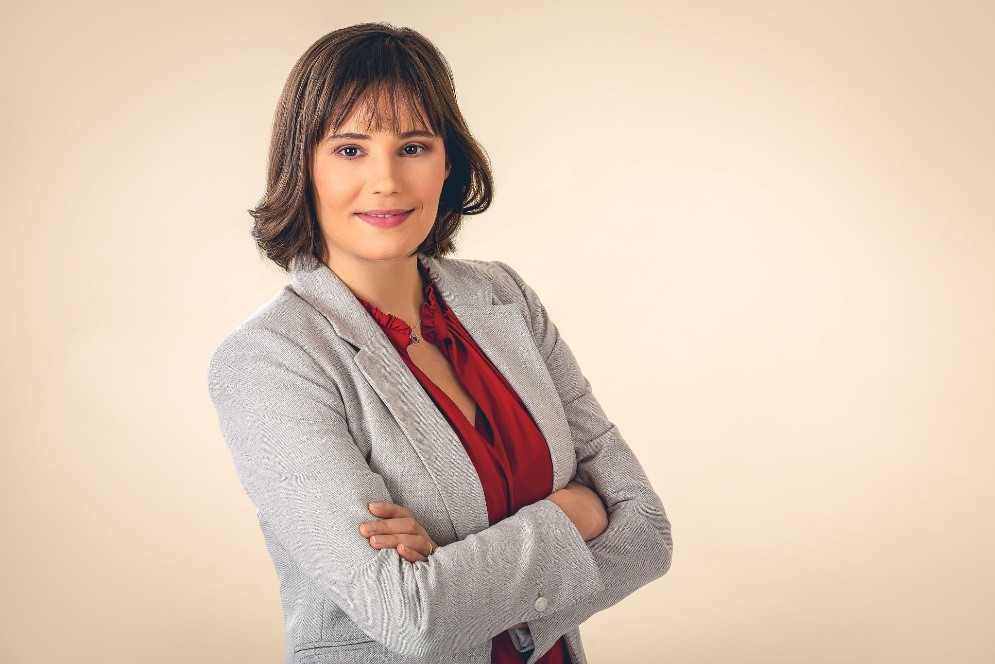
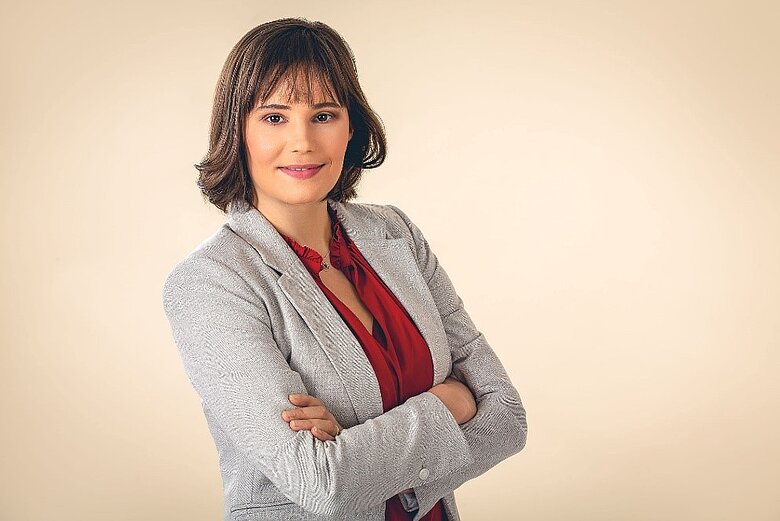
After graduating with an MSc in Molecular Biotechnology in 2011, Sarah Jäkel decided to pursue a PhD in Neuroscience at the Ludwig-Maximilians University in Munich. This is when her interest in oligodendrocyte biology has started. In her thesis, she explored the function of proliferating NG2-glia in the healthy and injured rodent brain. After this, she decided to switch towards translational neuroscience and therfore in 2016 moved to Edinburgh starting her postdoctoral work - later as an EU Marie-Sklodowska Curie fellow - at the Centre for Regenerative Medicine where she majorly focussed on oligodendrocyte heterogeneity in the human brain and how this changes in Multiple Sclerosis. She was awarded with the German Research Foundation Emmy-Nother grant and in March 2021 started her own lab as independent group leader at the Institute for Stroke and Dementia Research in Munich, investigating oligodendrocyte pathology in Alzheimer’s disease and other neurological disorders. Her main research question is to identify how oligodendrocyte heterogeneity changes in pathology and how this contributes to disease pathogenesis.
Ian Mackenzie
Ian Mackenzie
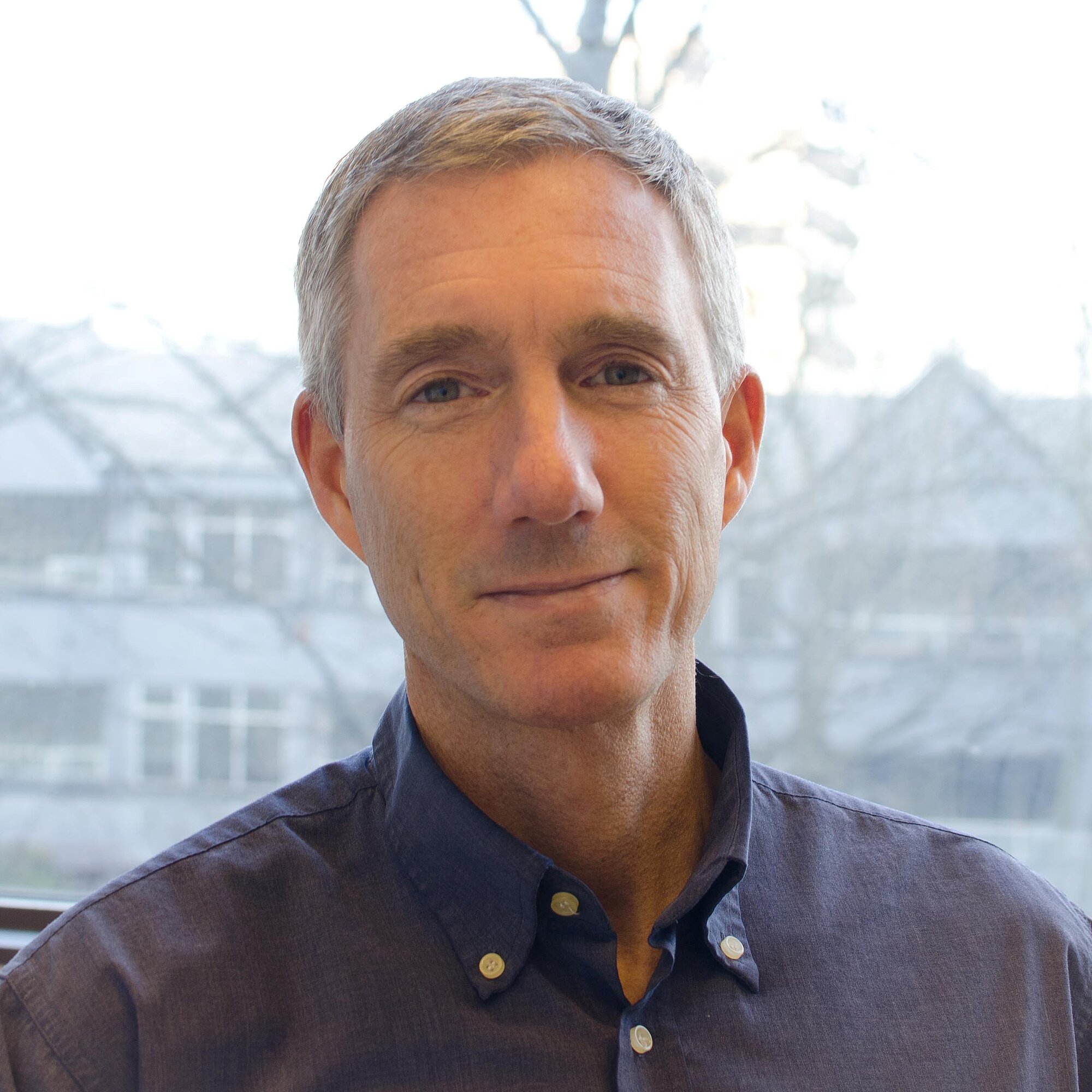
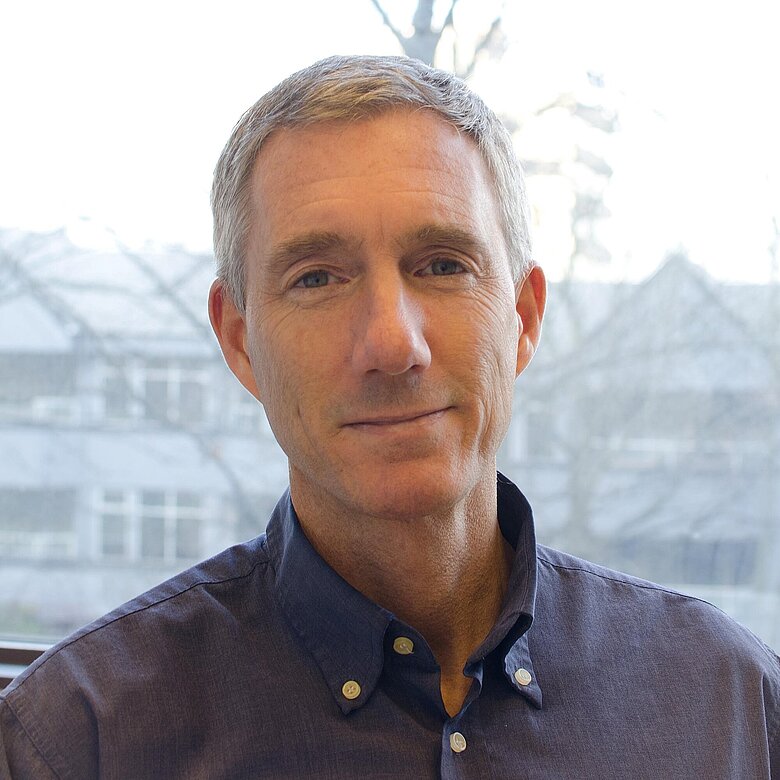
Ian R. A. Mackenzie is Professor of Neuropathology at the University of British Columbia and Head of the Division of Neuropathology at Vancouver General Hospital. His research focuses on the neuropathology and genetics of neurodegenerative disease with special interest in the molecular basis of FTD and ALS. He has contributed to the discovery and characterization of several important proteins and genes related to FTD and ALS, including GRN, C9orf72, TDP-43, FUS and TMEM106B, and has led efforts to establish consensus criteria for the classification of FTLD pathology. He is past-President of the Canadian Association of Neuropathologists, past Vice President of the International Society for Frontotemporal Dementias, Chair of the medical advisory committee for the Association for Frontotemporal Degenerations and serves on the editorial board of several neuroscience journals.
Thomas Montine
Thomas Montine
Professor Montine received his education at Columbia University (BA in Chemistry), the University of Rochester (PhD in Pharmacology), and McGill University (MD and CM), and postgraduate training was at Duke University.
The focus of the Montine Laboratory is on the molecular and biochemical bases of cognitive impairment in aging and neurodegenerative diseases with the goal of defining key pathogenic steps and thereby new therapeutic targets.
Richard Ransohoff
Richard Ransohoff
Richard M. Ransohoff is presently (2023) Venture Partner at Third Rock Ventures. At Third Rock, Ransohoff works to create new biotech companies to treat neurological conditions for which not effective therapy is available. He is also Co-Founder and interim Chief Medical Officer (CMO) for Abata Therapeutics, and Adjunct Professor, Molecular Medicine; Genetics and Genome Sciences; and Pathology at the Case Western Reserve University (CWRU) School of Medicine.
From 1984-2014 Ransohoff was Staff Member at Cleveland Clinic where he founded and directed the Neuroinflammation Research Center (2005-2014) in the Lerner Research Institute and served (1984-2014) as Staff Neurologist, Cleveland Clinic Mellen Center for MS Treatment and Research. He lists >450 scientific articles and reviews in PubMed (January 2023 H-index 142) and trained >70 students and post-docs who hold positions in science, medicine and industry. Through 2022, Ransohoff served on Scientific Advisory Boards (SAB) for the German Center for Research in Neurodegenerative Disease (DZNE) and the Keystone Symposia. He was previously on SAB for Chemocentryx and the Gladstone Institute for Neurological Diseases. Ransohoff served on both NIH and National MS Society study section for many years, and was Associate Editor of Neurology for inflammatory and infectious conditions for 10 years, before becoming founding Editor for Neurology: Neuroimmunology and Neuroinflammation.
Among other awards, Ransohoff was named in “Best Doctors” from 1996-2014 for his expertise in patient care for MS. He received the John and Samuel Bard Award in Science or Medicine, Bard College (2002), F.E. Bennet American Neurological Association Lectureship (2009), the John J. Dystel Award for MS Research from the National MS Society and American Academy of Neurology (2012) and the Distinguished Alumni Award, CWRU School of Medicine (2018). He’s a Fellow of the American Association for the Advancement of Science and member of the Association of American Physicians.
Richard is married to Margaret Seidler Ransohoff (1988), has two daughters, Amy (born 1989) and Lena (1994). The family was recently expanded by the arrival of Amy’s daughter Madeleine (2022).

Manuela Neumann
Manuela Neumann
Margaret Pericak-Vance
Margaret Pericak-Vance
Neuroimmunology
Adam Handel
Adam Handel
I am a Consultant Neurologist at Oxford Health NHS Foundation Trust and an Honorary Locum Consultant Neurologist at the University of Oxford. My current research aims to understand clinical features and the molecular immunopathogenesis of neuroinflammatory conditions, with a particular focus on autoimmune encephalitis. I have identified clinical features characterizing several types of neurological conditions mediated by autoantibodies. I have generated high-throughput single-cell sequencing libraries from multiple tissues, including peripheral blood and cerebrospinal fluid, in patients with autoantibody-mediated CNS diseases. My research also explores different aspects of thymic biology in both normal development and with genetic disruption of thymic epithelial cell function. I used functional genomics methods to investigate the mechanisms underlying thymic function and other aspects of adaptive immunity. Through a combination of single cell sequencing and multiplexed spatial proteomics, I aim to understand how T cells with autoreactive against CNS antigens can escape thymic negative selection.
Max Kaufmann
Max Kaufmann
As a strong believer in the transformational power of digitalization, Max Kaufmann investigates molecular disease mechanisms of multiple sclerosis using a high-throughput, data-driven approach. By treating patients as a physician and observing the current limitations of available medicines first-hand, he draws great motivation to extend beyond these boundaries with his research. Max is a postdoctoral researcher at the Institute of Neuroimmunology and Multiple Sclerosis in Hamburg (Prof. Friese) and at the Oxford Center for Neuroinflammation (Prof. Fugger). He studies information and data science at UC Berkeley, USA as a remote student.
Anita Mahadevan
Anita Mahadevan
Dr. Anita Mahadevan is Professor and Head of the Department of Neuropathology at the National Institute of Mental Health & Neurosciences, which is a premier neurosciences Institute at Bangalore, India considered an Institute of National Importance. Her research interests have been in infections of nervous system, peripheral neuropathies, neuropathology of epilepsy and autoimmune disorders. In addition, she heads the only Brain Bank in the country. She initiated the Autoimmune Laboratory, which is a referral centre for the country. Her focus has been on understanding pathobiology of CNS infections, in particular NeuroAIDS, rabies and prion diseases using cellular, proteogenomic and molecular approaches she expanded her research to unravel pathogenetic basis disease. Her recent research is focussed on elucidating the role of glia and mitochondrial dysfunction in epilepsy. She is a founder member of Neuropathology Society of India.
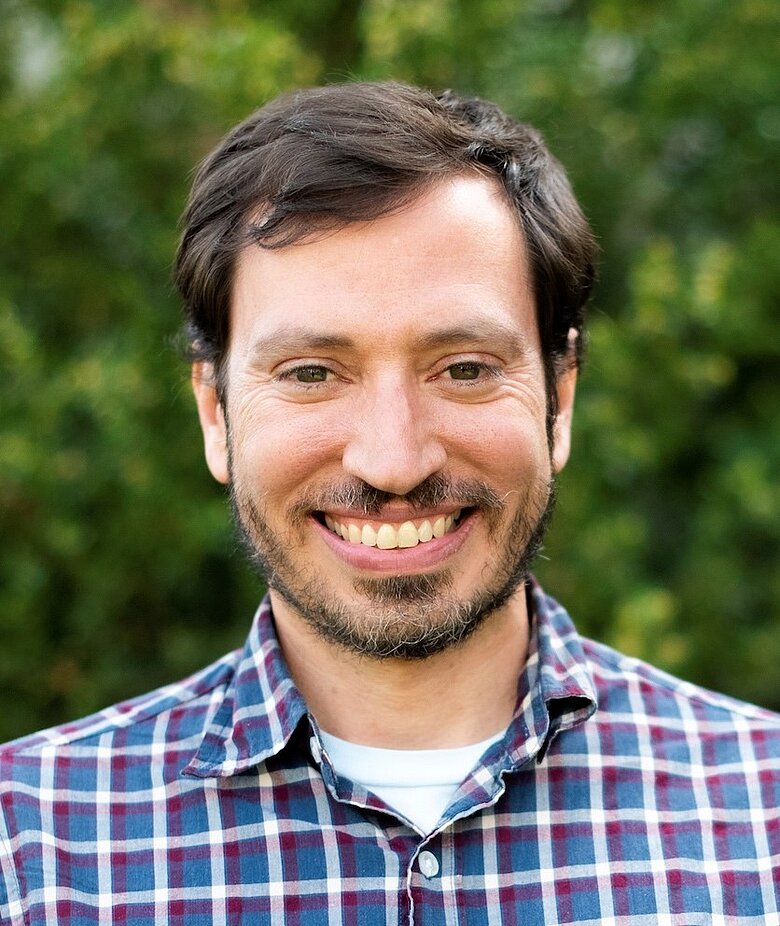
Steven Proulx
Steven Proulx
Dr. Steven T. Proulx received his PhD in Biomedical Engineering in March 2008 at the University of Rochester. From 2008 until 2012, he performed research as a post-doctoral fellow in the lab of Dr. Michael Detmar at ETH Zurich in Switzerland where he performed research on developing methods for in vivo lymphatic vessel imaging. In 2012 he was awarded the Andrew Moisoff Young Investigator Award from the Lymphatic Research Foundation. From 2013 to 2019, he has served in the role of Senior Scientist in the lab of Dr. Detmar. As of February 2019, he is a Group Leader at the Theodor Kocher Institute at the University of Bern where he focuses on imaging studies related to fluid flow within the central nervous system and the anatomical connections to the lymphatic system. He has co-authored over 65 scientific publications and serves as an Associate Editor at Fluids and Barriers of the CNS. He is a board member of the Swiss Society of Microcirculation and Vascular Research and the International Brain Barriers Society.
Christine Stadelmann-Nessler
Christine Stadelmann-Nessler
Christine Stadelmann-Nessler is a clinical and research neuropathologist at the University Medical Center Göttingen, Germany. She received her M.D. from Vienna Medical School, Austria, and underwent postgraduate training with Hans Lassmann and Wolfgang Brück. She combines experimental work and studies in human brain tissue to elucidate the pathogenesis of multiple sclerosis and related inflammatory and demyelinating diseases. She is an expert in the neuropathological differential diagnosis of inflammatory CNS diseases, and engages in brain banking activities. Her research work focuses on the mechanisms of lesion formation and repair in multiple sclerosis. In particular, she is interested in understanding the contribution of innate immune cells to lesion formation. Also, her lab is studying the mechanisms of neuroaxonal damage in MS. In addition, she works on defining the tissue microenvironment required for efficient remyelination.
Ramona Höftberger
Ramona Höftberger
Neurooncology
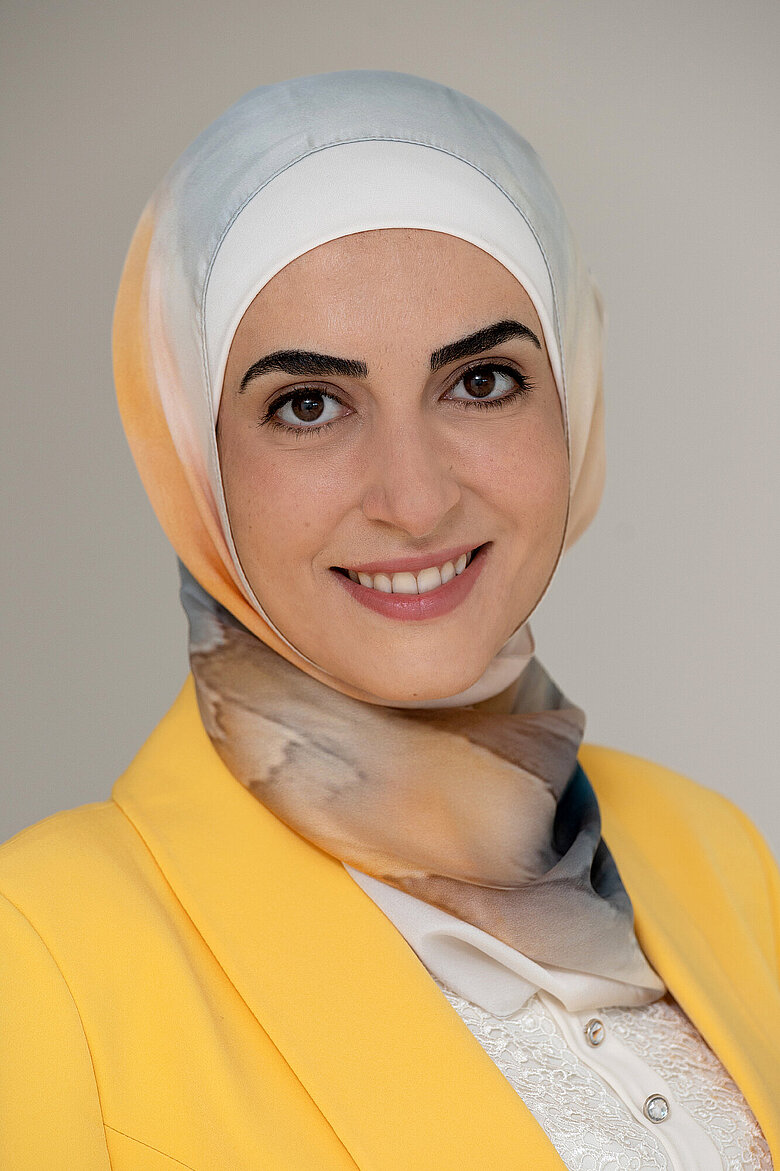
Olfat Ahmad
Olfat Ahmad
Olfat is a Jordanian pediatric oncologist, with training in cancer genomics from Harvard medical school, Oxford University and the German Cancer Research Center, Heidelberg. For the last 1.5 year, she has been working with her mentor prof. Stefan Pfister and other coordinators from Heidelberg on a new initiative called the Molecular Neuropathology Outreach Consortium, which aims at the global outreach of methylation-based classification tools for CNS tumors and sarcomas. The consortium has enrolled countries from Asia, Africa and South America, which get free methylation consumables from the consortium, together with guidance from Heidelberg team to help adopting the methodology, in order to allow meeting the updated recommendations of the WHO classification system for some types of CNS tumors and sarcoma.
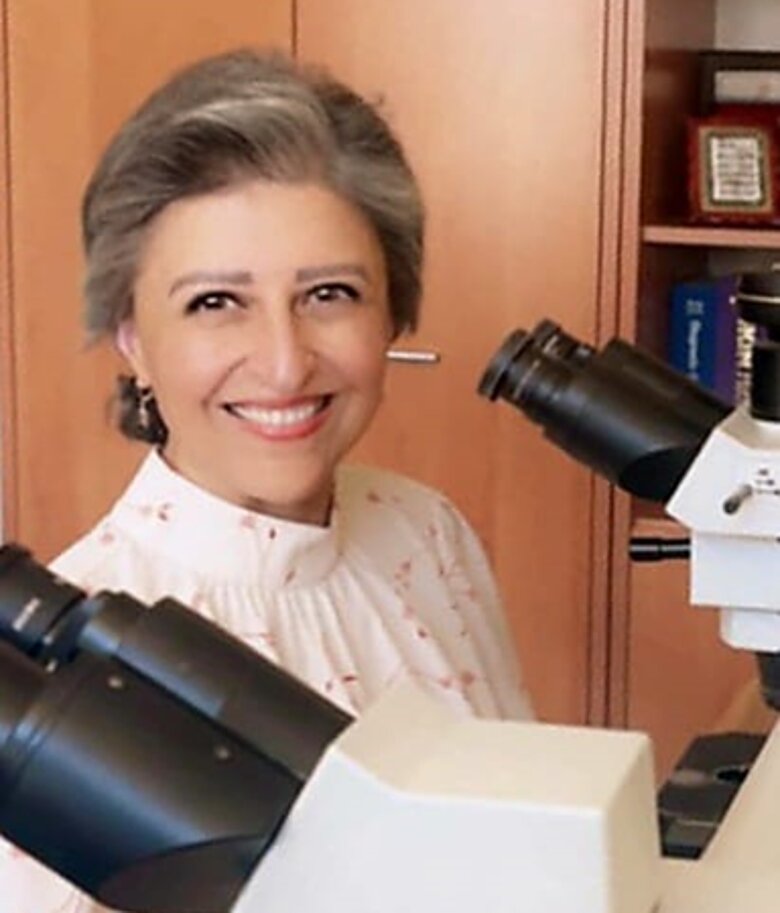
Maysa Al-Hussaini
Maysa Al-Hussaini
A Consultant Histopathologist/ Neuropathologist/ Ocular Pathologist and Full Member at King Hussein Cancer Center in Amman, Jordan. A member of the Steering Committee of the Asian Oceanian Society of Neuropathology (AOSNP).
CNS tumors, in particular pediatric CNS tumors, and retinoblastoma are the main research interest with many publications including contributing to the 4th and 5th Editions of the WHO Classification of Tumours of the Eye.
Philipp Euskirchen
Philipp Euskirchen
Philipp is a clinical neurologist and neuro-oncologist. He completed medical school in Cologne, Germany, doctoral training at University of Bergen, Norway, and post-doctoral training at the Pitié-Salpêtrière’s Brain and Spinal Cord Disorder Institute in Paris, France. After his residency at the Dept. of Neurology at Charité - Universitätsmedizin Berlin, he specialized in precision oncology at the Charité Comprehensive Cancer Center. He leads the Molecular Neuro-Oncology lab at Charité - Universitätsmedizin Berlin, Germany. The group focuses on the molecular heterogeneity and classification of brain tumors using next-generation and especially long-read sequencing technologies.
Takashi Komori
Takashi Komori
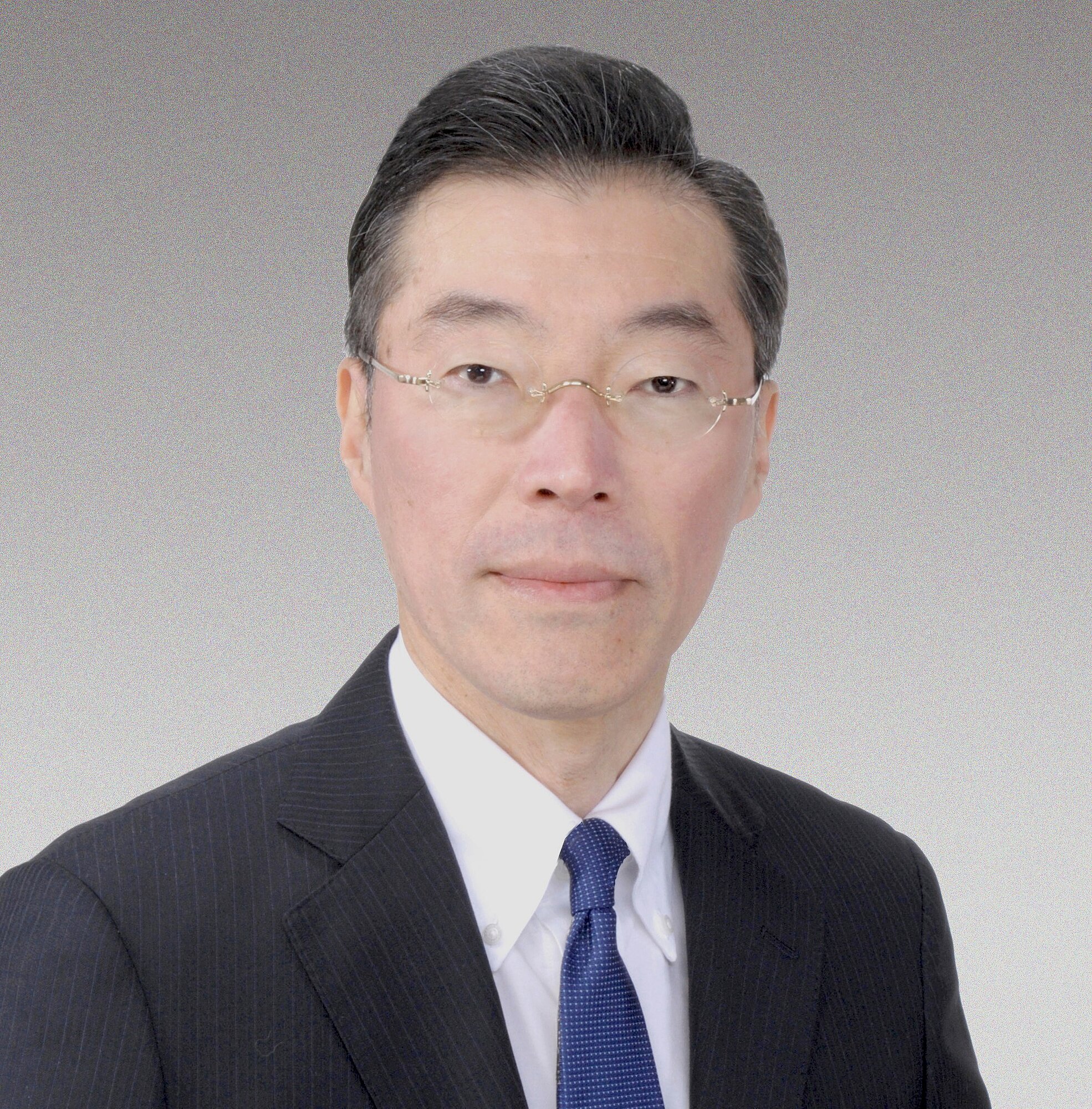
Dr. Komori has been the Director of the Department of Laboratory Medicine and Pathology (Neuropathology) at the Tokyo Metropolitan Neurological Hospital since 2011, a leading epilepsy center in Tokyo. He has also been a visiting scientist at the Tokyo Metropolitan Institute of Medical Science, where he served as a staff scientist from 1996 to 2010. Additionally, he is a visiting professor at the Department of Pathology at Tokyo Women's Medical University (TWMU). Dr. Komori has been involved in research on intraoperative molecular diagnostics at the Department of Neurosurgery at TWMU, one of Japan's largest neurosurgery departments. His current research focuses on diagnostic molecular neuropathology for brain tumors, mainly adult diffuse gliomas and glioneuronal tumors, with 30 years of experience in these fields.
Over the past decade, Dr. Komori has served as the Editor-in-Chief for Brain Tumor Pathology, the official international journal of the Japan Society of Brain Tumor Pathology. He has also been appointed to the executive members of the Japanese Society of Neuropathology, the Asian Oceanian Society of Neuropathology (AOSNP), and the International Society of Neuropathology. AOSNP's central mission is to implement molecular diagnosis of brain tumors and to adapt the WHO Classification of Tumors in the Central Nervous System in resource-limited settings, prioritizing patient benefits and management in each medical environment.
Keith Ligon
Keith Ligon
Dr. Ligon is a Physician-Scientist with expertise in neuropathology and oncology focused on improving the diagnosis and treatment of cancer. He is an Associate Professor of Pathology at Harvard Medical School with joint appointments at the Dana-Farber Cancer Institute, the Broad Institute, the Brigham and Women’s Hospital (BWH) and Boston Children’s Hospital. He is the Chief of Neuropathology at BWH/DFCI and the Director of the Center for Patient Derived Models (CPDM) at DFCI. His research and clinical activities have improved the scientific understanding of brain tumors. Several of the methods he has developed in his research have been implemented in the clinical pathology lab to improve patient diagnosis. He has also led efforts to train neuropathologists in the utilization of genomic tests in practice and led genomically informed clinical trials development at the local and national consortium levels.
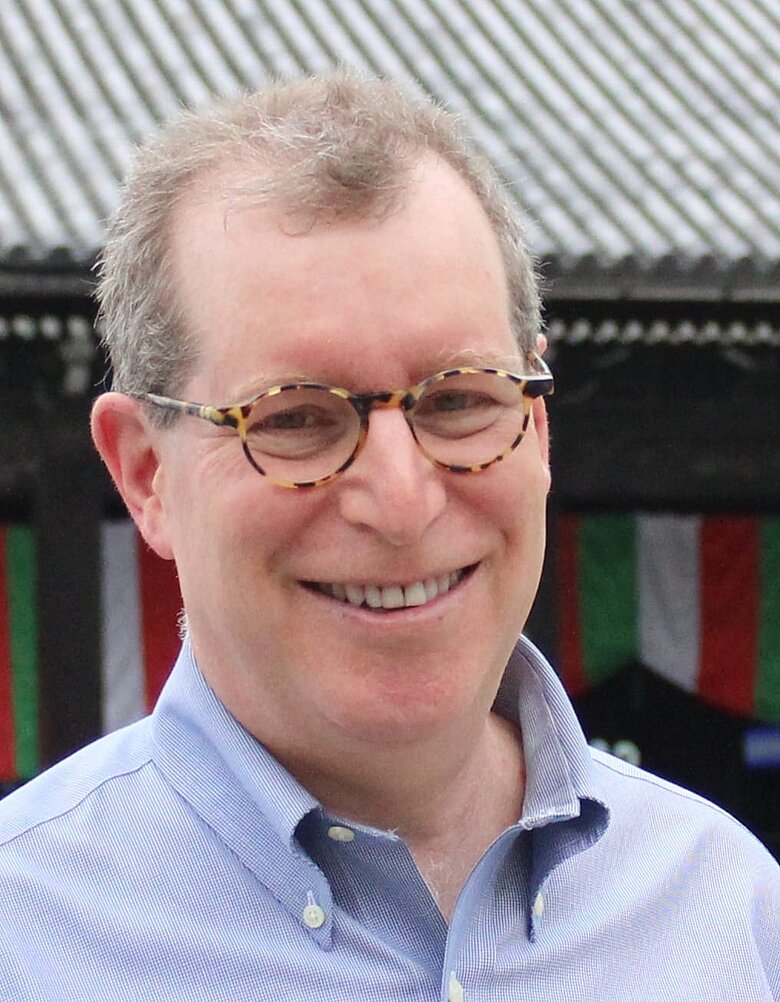
David Louis
David Louis
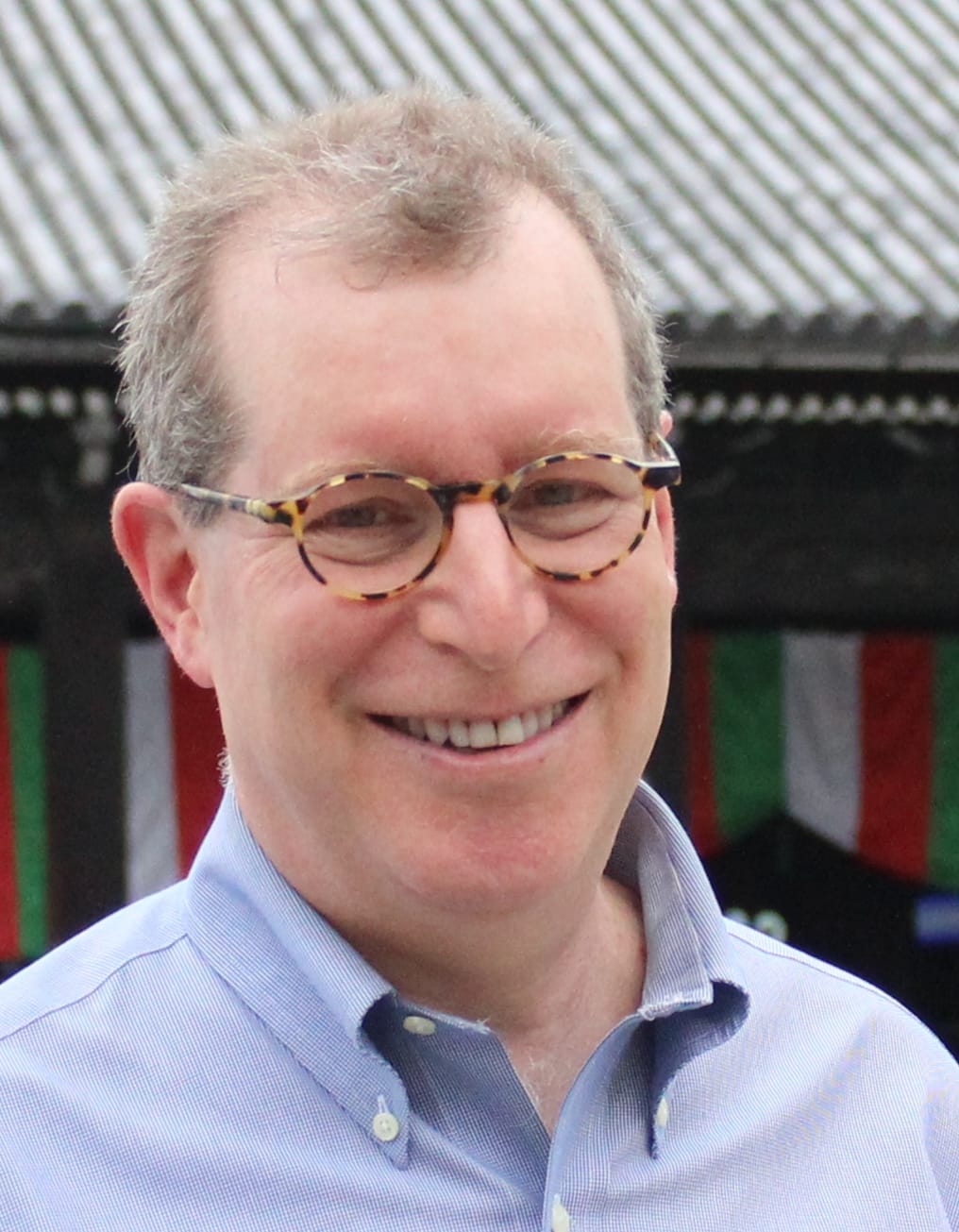
David N. Louis, MD, is the Benjamin Castleman Professor of Pathology at Harvard Medical School, Pathologist-in-Chief at Massachusetts General Hospital (both since 2006), Chair of Pathology at the Brigham and Women’s Hospital, and Chief of Enterprise Pathology for Mass General Brigham (both since 2022). Mass General Brigham Pathology has greater than 400 faculty and trainees and over 2000 employees, performing many tens of millions of laboratory tests each year at more than 30 locations, with an overall annual operating budget of $465M and with over $60M in research awards. Dr. Louis' own clinical neuropathology practice and research has focused on brain tumors, with an emphasis on the molecular basis of malignant gliomas and the application of molecular diagnostics to glioma classification. His laboratory was the first to demonstrate that molecular approaches could be used to subdivide malignant gliomas in a biologically relevant manner and that‘ molecular approaches could be used to predict the response of particular malignant gliomas to specific therapies. He has published more than 300 original articles, as well as numerous reviews, chapters and books (h-index = 117). Dr. Louis served on the 2000 WHO Committee on the Classification of Tumours of Nervous System; he also co-chaired and was the primary editor for both the 2007 and 2016 WHO Classification of Tumours of the Central Nervous System and a leading member of the expert panel for the 2021 WHO Classification of Tumours of the Central Nervous System. He chaired the CNS tumor committee for the International Collaboration on Cancer Reporting and is the founder and inaugural Steering Committee chair for cIMPACT-NOW (the Consortium to Inform Molecular and Practical Approaches to CNS Tumor Taxonomy). This work has contributed to worldwide adoption of molecular testing for the management of patients with brain tumors. He is the incoming President of the International Society of Neuropathology.
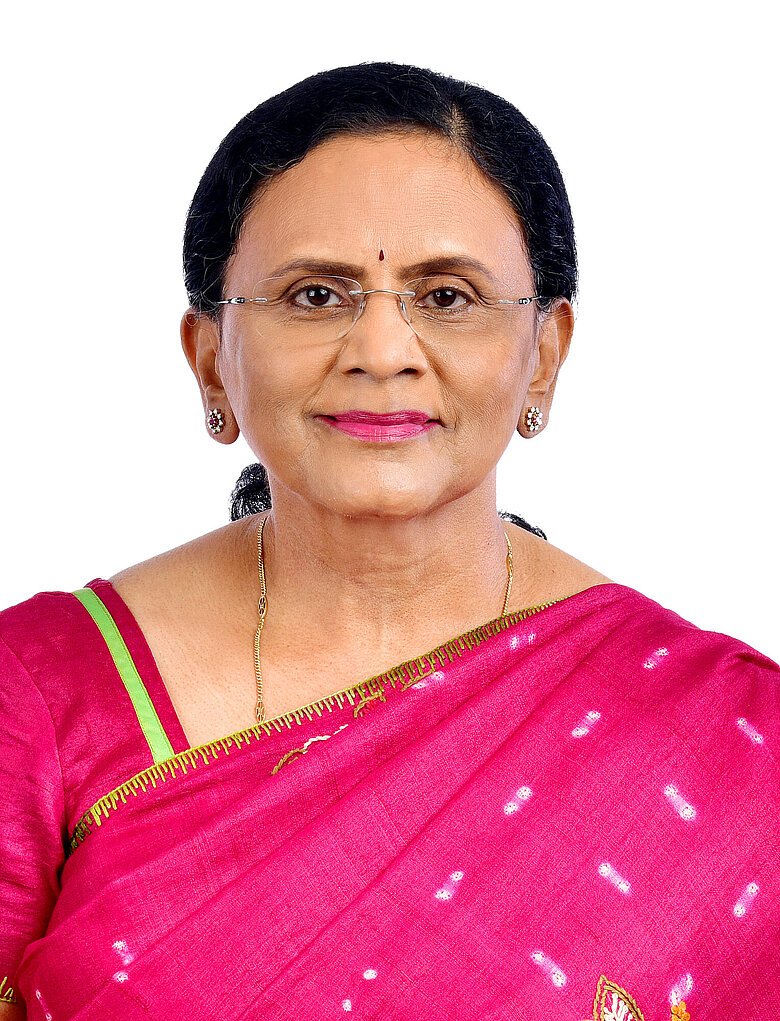
Vani Santosh
Vani Santosh
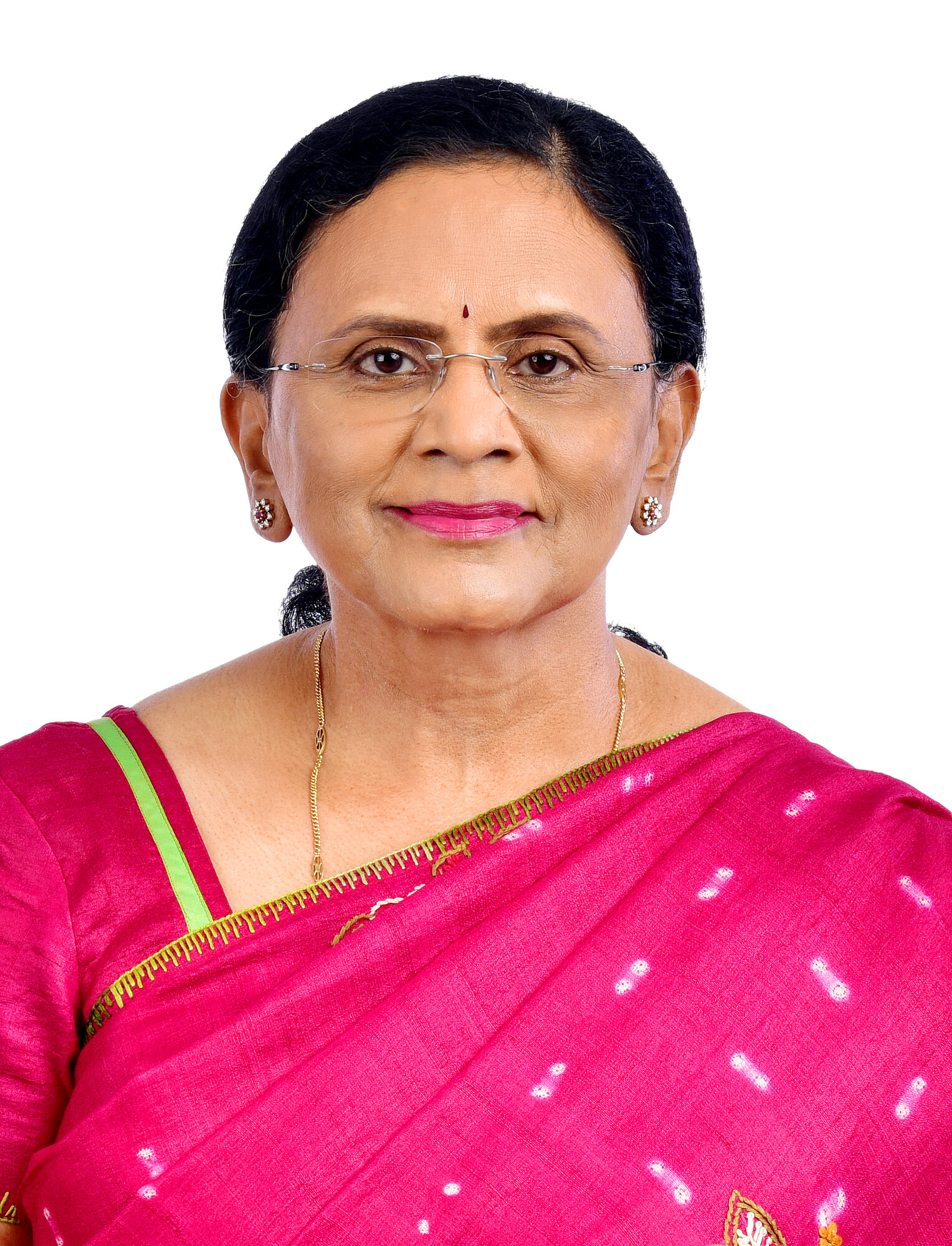
Dr Vani Santosh is a former senior professor of Neuropathology and Dean of Neurosciences at the National Institute of Mental Health and Neurosciences[NIMHANS], Bangalore, India. She is serving as president of Neuropathology Society of India and secretary general of Asian Oceanian Society of Neuropathology and is a working member of the cIMPACT group. She is the Fellow of National Academy of Medical Sciences, India, and Fellow of Indian College of Pathologists. She has delivered several prestigious orations in India and has received many awards for her research work. She has made seminal contributions in translational brain tumor research, with an emphasis on biomarker discovery in gliomas for which she was granted 3 patents. Dr Santosh has more than 250 publications in peer reviewed journals and 22 chapters in books, edited 2 books on Neuropathology and has co-authored chapters in the 2016 & 2021 editions of the ‘WHO classification of tumors of the nervous system’.
Chitra Sarkar
Chitra Sarkar
Dr. Chitra Sarkar is former Professor in the Department of Pathology at the All India Institute of Medical Sciences (AIIMS), New Delhi, India. She also held the positions of Head, Department of Pathology and Dean (Research) at the same institute.
Currently she is President of the Asian Oceanian Society of Neuropathology (AOSNP) and Co-Chair of the ASONP initiative termed ADAPTR (Adapting Diagnostic Approaches for Practical Taxonomy in Resource - Restrained Regions) which aims to build an optimal adaptation of the current WHO classification of CNS tumors to suit resource limited settings.She is also presently a member of the steering committee of the Consortium to Inform Molecular and Practical Approaches to CNS Tumor Taxonomy ( cIMPACT) and the International Collaboration for Cancer Reporting for CNS tumors ( ICCR) . She has earlier served as Vice President of International Society of Neuropathology, as well as President of Neuropathology Society of India and Indian Society of Neuro-Oncology.
Her research focuses on the pathology as well as molecular genetics and epigenetics of brain tumors, both adult and paediatric.She has published more than 400 research papers in peer reviewed journals , 40 Chapters in books , edited a book on Neuropathology and has co-authored chapters in the WHO Classification of CNS Tumors (2007, 2016 and 2021 eds).
She is a recipient of several national awards, honours and orations including the prestigious National Women Bioscientist award of Department of Biotechnology , Government of India . Her work has contributed significantly to the development of Neuropathology in the country with adoption of molecular testing of brain tumors in many centres.
Vaishali Suri
Vaishali Suri
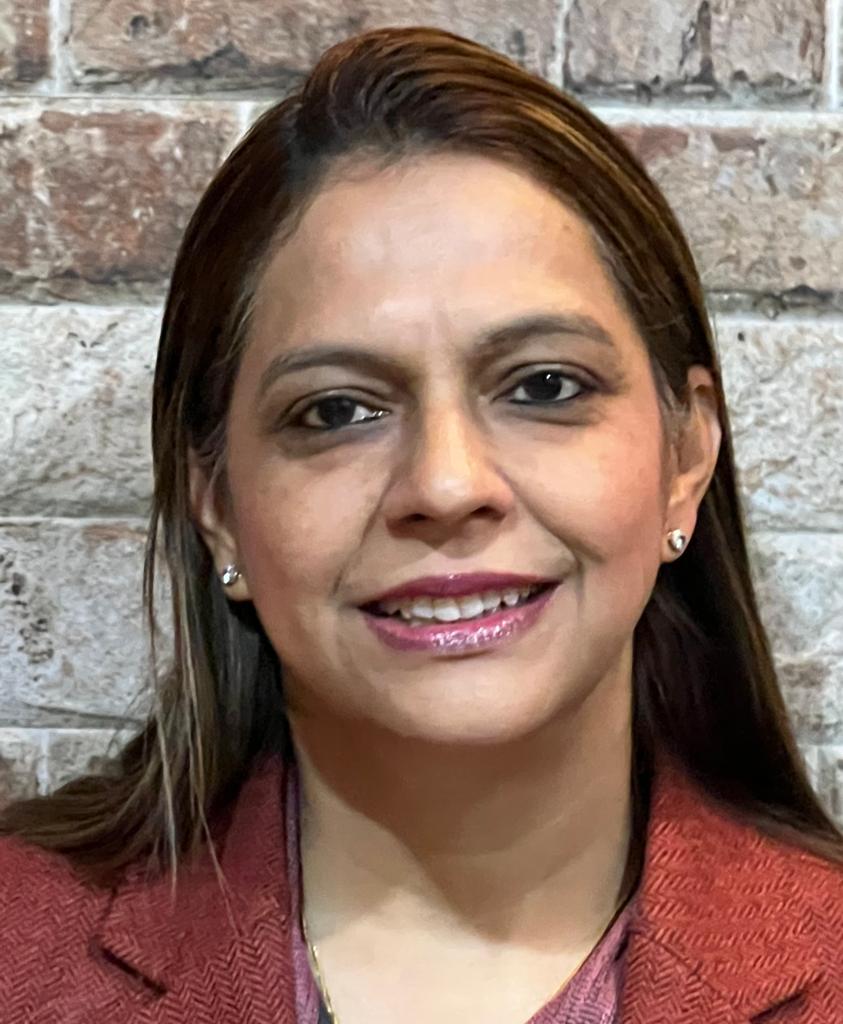
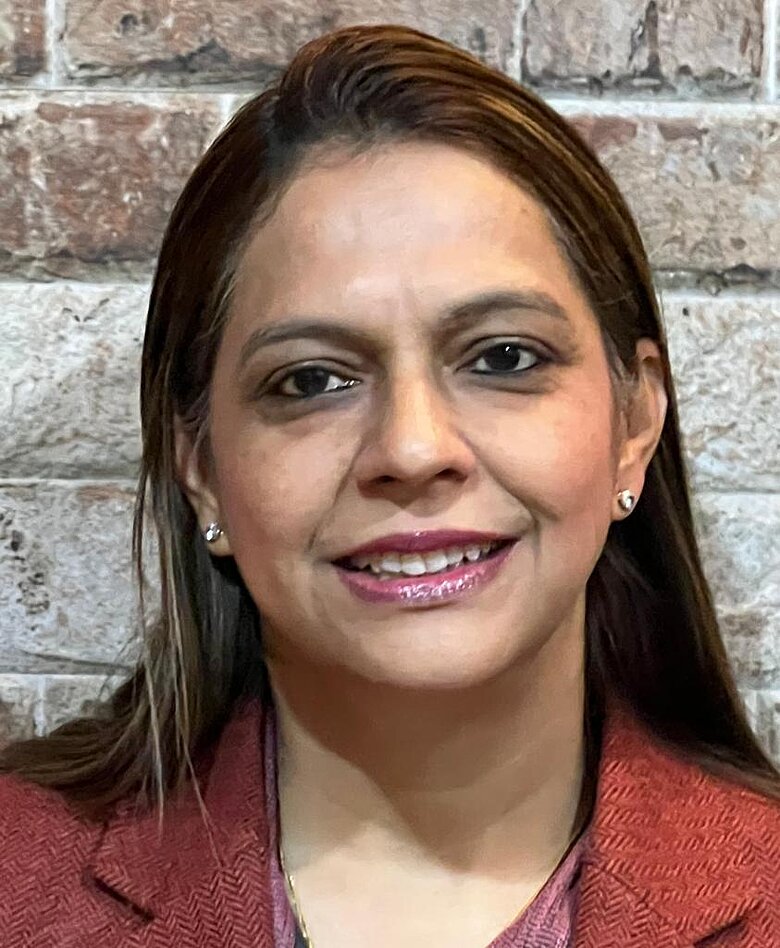
Dr. Vaishali Suri, a Professor of Neuropathology at the All India Institute of Medical Sciences in New Delhi, has more than 20 years of experience in the field. Her research is dedicated to bridging the gap between clinical and basic studies in the field of Neuro-oncology, with a specific emphasis on developing comprehensive approaches to better understand the biology of CNS tumors. Primary objective of her work is to identify and develop markers that can contribute to the early diagnosis and prognostication of these tumors. Dr. Suri actively participates in the development of consensus guidelines that focus on the incorporation of cost-effective molecular markers into the standard reporting of CNS tumors specifically in in settings with limited access to advanced laboratory techniques and specialized equipment. She has published over 200 research papers, authored 11 book chapters, and served as a co-editor of a neuropathology book. Dr. Suri has held leadership positions in several research projects and has been invited to serve on national expert committees and research advisory boards. She has also held prestigious positions in national societies.
Katja von Hoff
Katja von Hoff
Katja von Hoff is Clinical Consultant and Associate Professor of Paediatric Oncology at Aarhus University Hospital, Denmark. She further holds an affiliation at the Charité Universitätsmedizin. Her clinical and research focus is on paediatric malignant tumors of the central nervous system. She has been involved in the design and conduct of multicentre, international clinical trials on embryonal tumours and ependymoma. In the recent years, she has focused on clinical research on rare embryonal tumours of the CNS, conceding the dilemma of lacking prospective clinical data and treatment standards for the newly acknowledged molecularly defined tumor types. Given the rarity of these diseases, she is working on interdisciplinary and multi-centre collaborations to gain further insights and clinically applicable knowledge. She is an author or co-author of several relevant publications in this field and was a co-author on the 2021 WHO Classification of Tumours of the Central Nervous System. She has chaired the ESCP (European Standard Clinical Practice) guidelines on rare embryonal and sarcomatous tumours of the central nervous system and chairs a working group on these tumor types within the SIOP-E (European Society for Paediatric Oncology).
Pieter Wesseling
Pieter Wesseling
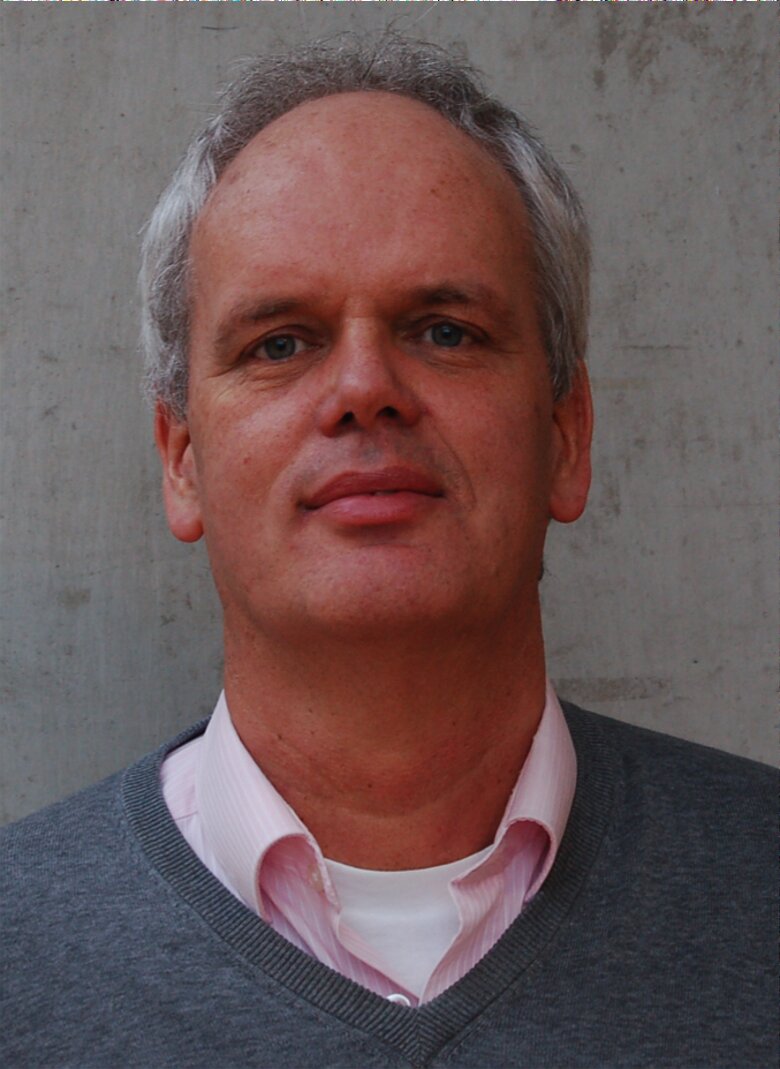
Pieter Wesseling, MD, PhD, was trained as clinical (neuro)pathologist in the Radboud University Medical Center, Nijmegen, The Netherlands (supervised by Prof. Joop L. Slooff), and in Duke University Medical Center, Durham NC, USA (Prof. Peter C. Burger). He is at present affiliated with the Dept. of Pathology, Amsterdam University Medical Centers/VUmc (where he is full professor in neuro-oncological pathology) & the with the Lab. For Childhood Cancer Pathology, Princess Máxima Center for Pediatric Oncology, Utrecht. He has led multiple (inter)national research projects, (co-)authored > 300 papers in international, peer-reviewed journals on neuro-oncological topics, is member of the editorial board of several international neuro-oncological and neuropathological journals. He is at present chair of the consortium to Improve Molecular and Practical Approaches for CNS tumor Taxonomy (cIMPACT-NOW) Steering Committee, was centrally involved in shaping the revised 4th edition of the WHO CNS tumor classification (2016) and is an expert editor of the 5th (2021) edition of this classification as well as of the WHO classification of Pediatric Tumors (2022).
Michael Buckland
Michael Buckland
David Jones
David Jones
Michel Mittelbronn
Michel Mittelbronn
Professor Michel Mittelbronn is PEARL Professor for Neuropathology. He is Head of the National Center of Pathology and Luxembourg Centre of Neuropathology (LCNP) at the Laboratoire national de santé (LNS) in Luxembourg. He is heading a research team at the Luxembourg Centre for Systems Biomedicine (LCNP), the Luxembourg Institute of Health (LIH) and the National Health Laboratory (LNS). His main research focus is on neurodegenerative and neurooncological disorders is supported by an Excellence Grant of the Fonds National de la Recherche (FNR PEARL). He is member of the German Reference Center for neuromuscular disorders. As editor-in-chief of Free Neuropathology, he is strongly engaged to promote a new format of research-community driven publication strategy in the field of clinical-translational as well as basic research neuropathology.
Felix Sahm
Felix Sahm
Method sessions
Mimi Bandopadhayay
Mimi Bandopadhayay
Dr. Mimi Bandopadhayay is an Assistant Professor of pediatrics at the Harvard Medical School and Associate Member of the Broad Institute of MIT and Harvard and a renowned pediatric neuro-oncologist and scientist at the Dana-Farber Cancer Institute/Boston Children’s Cancer and Blood Disorders Center in Boston, Massachusetts. Beside contributing to the care of children and young adults with brain tumors, her research focuses on identifying new targetable drivers for these difficult-to-treat cancers and characterize resistance mechanisms. Her work has led to significant advancements in the understanding and treatment of pediatric brain tumors, and she has received numerous awards and accolades for her contributions to the field.
Agnieszka Rybak-Wolf
Agnieszka Rybak-Wolf
Throughout my scientific career, I have been interested in how post-transcriptional gene regulation drives neuronal differentiation and brain development. The focus of my research concerned regulatory RNAs, such as miRNAs and circular RNAs, and their expression and function in the healthy and diseased mammalian nervous system. As leader of organoid platform at MDC, I aim to develop 3D brain models for diseases such as Leigh Syndrome, Alzheimer’s disease and infectious brain diseases, and to employ single cell and spatial transcriptomics technologies to elucidate the molecular mechanisms underlying disease development and progression. A major goal of the platform is to further engineer the brain organoid culture systems and improve in-vitro neural tissue maturation. We currently implement technologies to vascularize brain organoids (assembly of brain and blood vessel organoids) and incorporate microglia into our systems in order to realize long-term maturation of three-dimensional neural tissues.
Andreas von Deimling
Andreas von Deimling
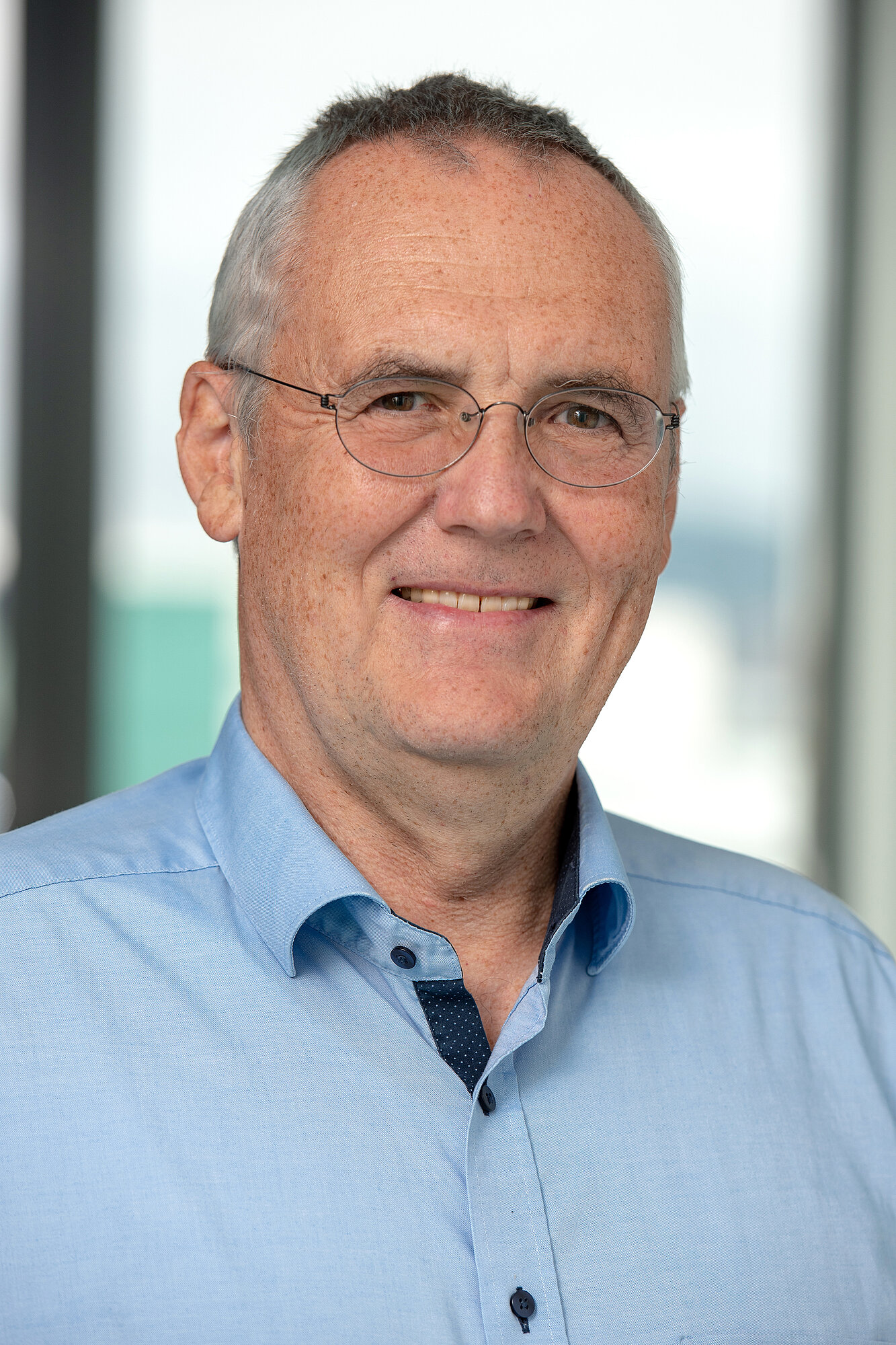
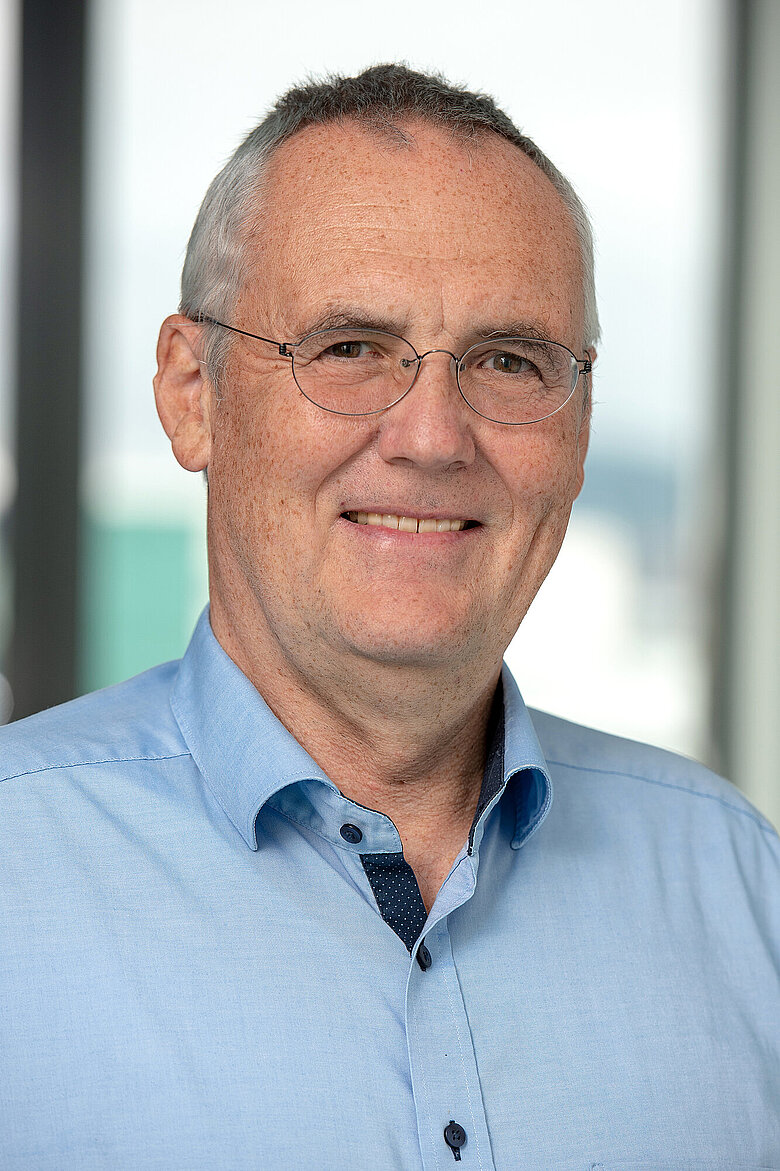
Andreas von Deimling received his basic medical education in the city of Freiburg, Germany. Clinical training began with a first residency at the University Hospital Zurich, Switzerland, in 1988 followed by a research program in the Neuro-Oncology Department of the Massachusetts General Hospital from 1990 to 1992. Neuropathology training was completed in the Department of Neuropathology at the University of Bonn from 1992 to 1994. From 1995 to 1988 he served there as consultant and was awarded the endowed “Schilling Professorship”. In 1998, he was appointed as Director of Neuropathology at the Charité, Humboldt University, in the city of Berlin. This was followed by relocation to the city of Heidelberg in 2007, accompanied by a combined appointment as director of Neuropathology at the University of Heidelberg and director of the Clinical Cooperation Unit Neuropathology at the German Cancer Institute. His scientific focus is on molecular tumor neuropathology with special attention to developing diagnostic tools and algorithms. This included the mutation specific antibodies H09 targeting the IDH1-R132H and VE1 targeting the BRAF-V600E mutations. Recent work focused on a methylation based classification systems for brain tumors and sarcomas. He is a member of the European Academy of Cancer Sciences and the German National Academy of Sciences (Leopoldina).
Epilepsy
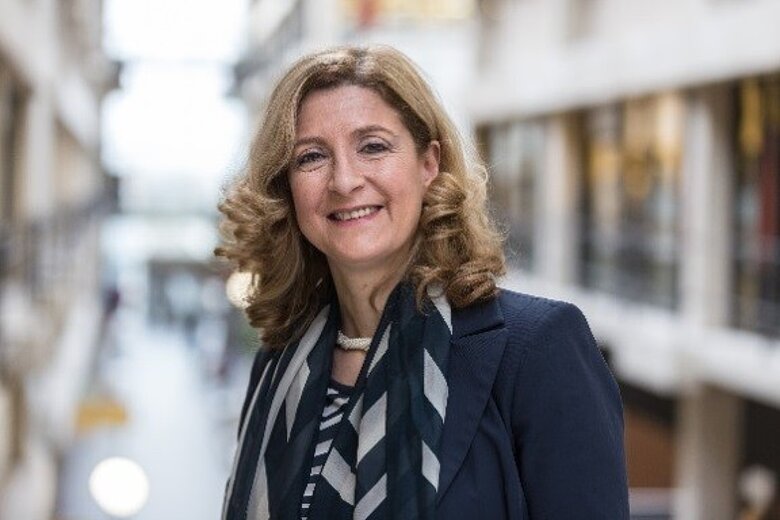
Eleanora Aronica
Eleanora Aronica
Eleonora Aronica is full professor of Neuropathology at the University of Amsterdam’s (UvA) Faculty of Medicine. She obtained her doctorate cum laude at the UvA in 1993 after studying medicine at the University of Catania (Italy), where she completed her studies as a neurologist. She was then a postdoctoral fellow at the Wadsworth Center in Albany and Albert Einstein College of Medicine in New York. Back in The Netherlands, she completed the Neuropathology residence program. Her scientific honours include the Michael Prize (2011) for epilepsy research. She is actively involved in the different research lines, including developmental disorders, neurodegenerative diseases, neuro-oncology and epilepsy. She has published more than 500 peer-reviewed articles. She is member of ILAE team of Big Data Commission and the ILAE Neuropathology Task Force of the Diagnostic Methods Commission and involved in international networks and consortia.
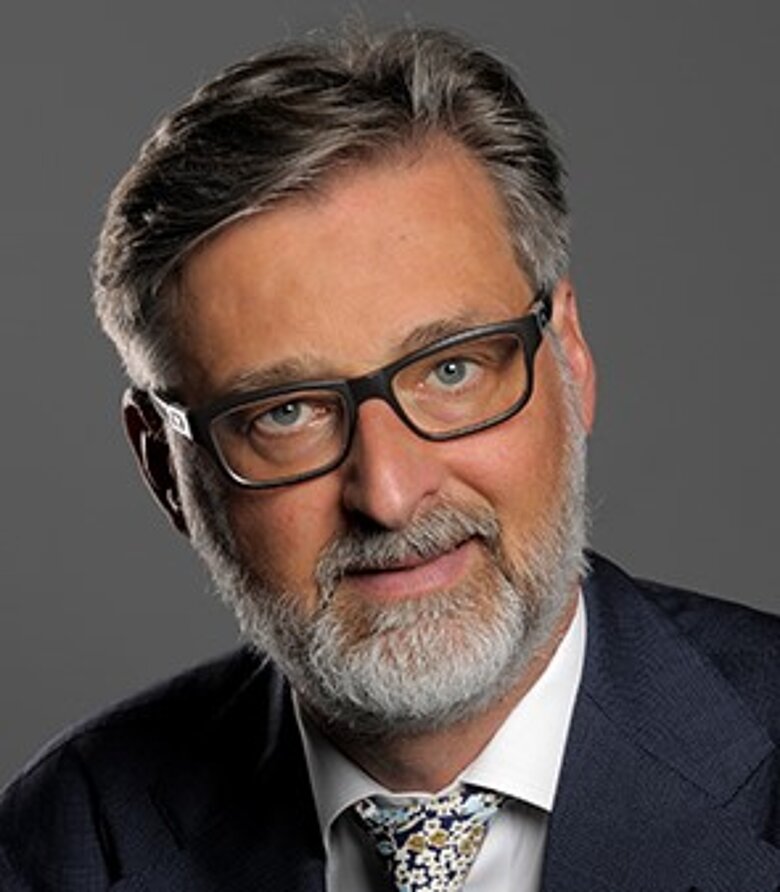
Ingmar Blümcke
Ingmar Blümcke
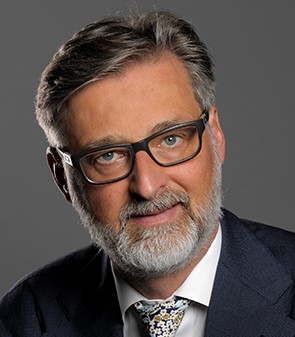
Dr. Blumcke is professor of Neuropathology at the Friedrich-Alexander University Erlangen-Nürnberg and director of the Neuropathology Institute at the University Hospital Erlangen in Germany. He graduated from medical school at Kiel University and trained in Neuropathology at the University Hospital in Bonn in Germany. His scientific interest addresses the clinical and molecular neuropathology of focal human epilepsies with particular emphasis on disease classification of Focal Cortical Dysplasia, Hippocampal Sclerosis and low-grade epilepsy-associated brain tumors.
Pawel Fidzinski
Pawel Fidzinski
Neurodevelopmental and childhood disorders
Brian Harding
Brian Harding
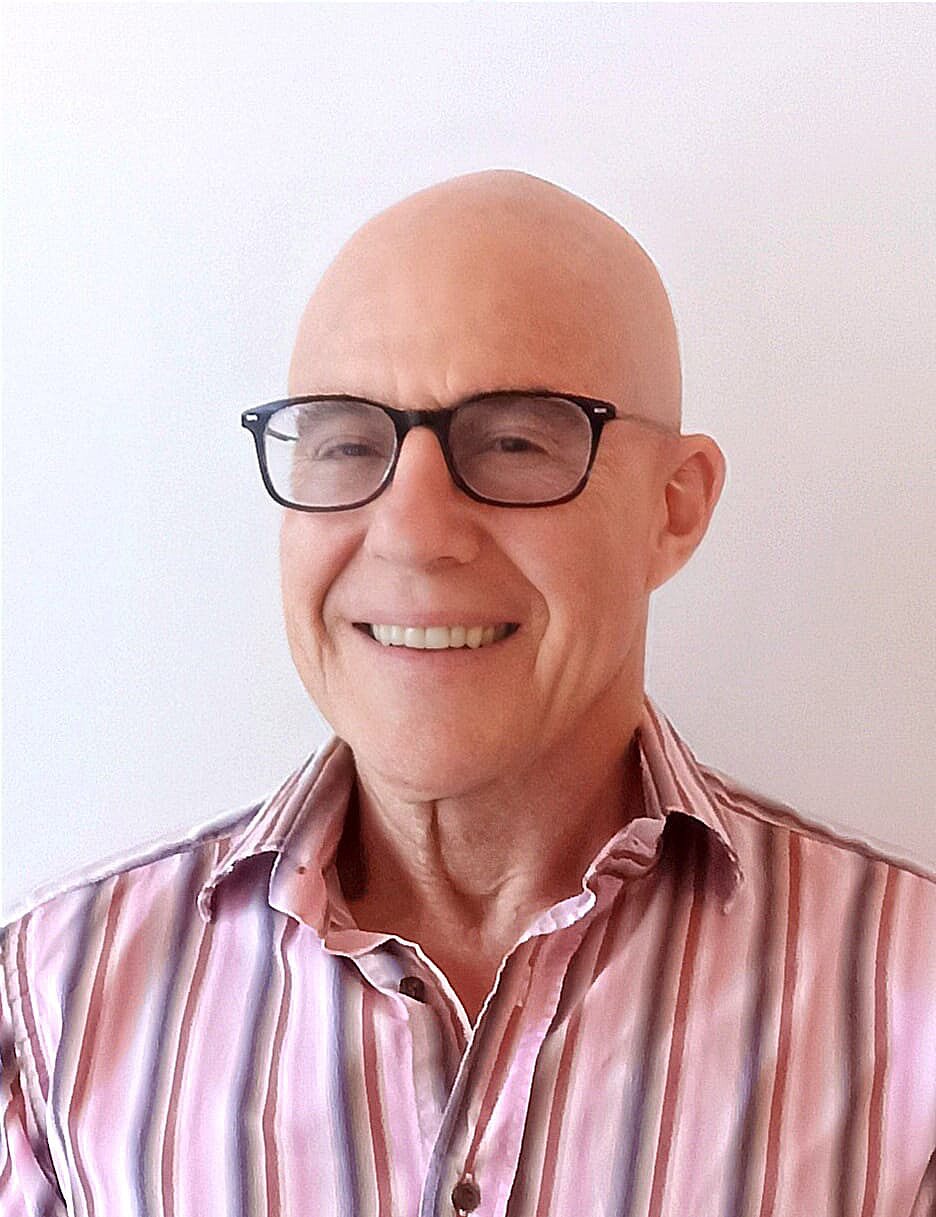
Dr. Brian Harding is emeritus Professor at the University of Pennsylvania. Educated at Oxford University and St George’s Hospital, London, his interest in neuroscience was fostered by a PhD in Oxford supervised by the brilliant Neuroanatomist TPS (Tom) Powell. Following Neuropathology training at Queen Square in London with Leo Duchen he became consultant neuropathologist at Great Ormond St., leaving after 25 years to take up an appointment as attending Paediatric Neuropathologist at the Children’s Hospital of Philadelphia (2009-2019). He has authored many papers on neurodevelopmental neurodegenerative and neurometabolic disease, and has contributed chapters to five editions of Greenfield’s Neuropathology as well as the paediatric sections of the Atlas of Neuropathology (Ellison & Love).
Editor's perspective on neuropathology journals
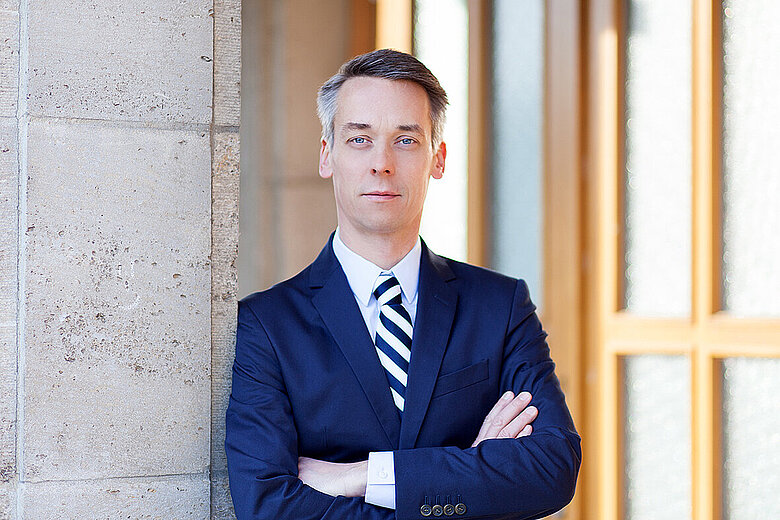
Christian Mawrin
Christian Mawrin
Masaki Takao
Masaki Takao
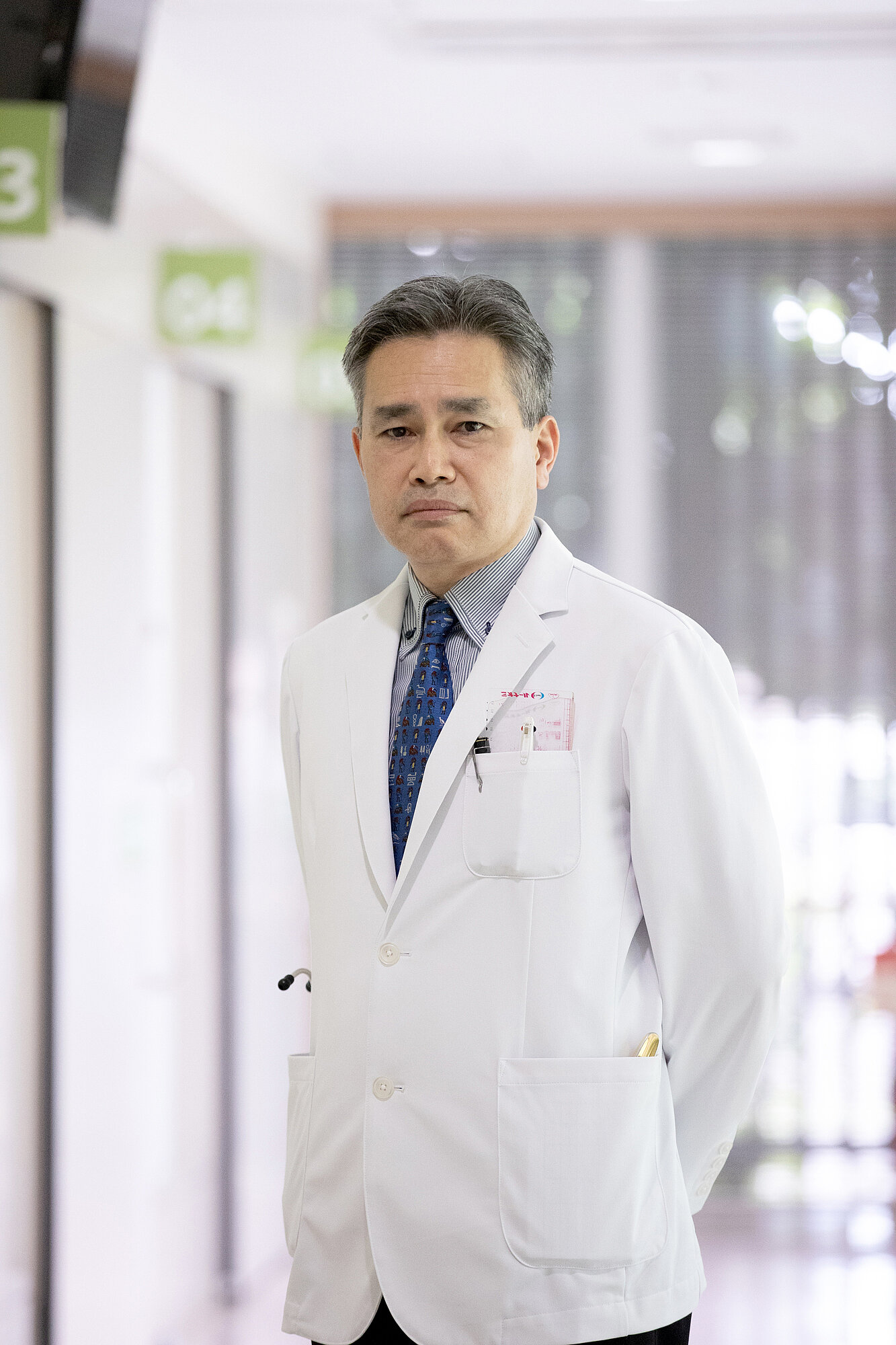
- Masaki Takao, M.D., Ph.D.
- Editor in chief of “Neuropathology”; official journal of the Japanese Society of Neuropathology
- Position title: Director; Department of Clinical Laboratory and Internal Medicine, National Center of Neurology and Psychiatry (NCNP), National Center Hospital, 4-1-1, Ogawa-higashi cho, Kodaira, Tokyo 187-8551, Japan
- Board certified neurologist, neuropathologist, and internist
Education and residency training:
- Medical school: School of Medicine, Keio University, Tokyo, Japan
- Residency training: School of Medicine, Keio University, Tokyo, Japan
- Postdoctoral fellow: Indiana University, Indiana Alzheimer Disease Center
Jason Huse
Jason Huse
Tom Jacques
Tom Jacques
Michel Mittelbronn
Michel Mittelbronn
Professor Michel Mittelbronn is PEARL Professor for Neuropathology. He is Head of the National Center of Pathology and Luxembourg Centre of Neuropathology (LCNP) at the Laboratoire national de santé (LNS) in Luxembourg. He is heading a research team at the Luxembourg Centre for Systems Biomedicine (LCNP), the Luxembourg Institute of Health (LIH) and the National Health Laboratory (LNS). His main research focus is on neurodegenerative and neurooncological disorders is supported by an Excellence Grant of the Fonds National de la Recherche (FNR PEARL). He is member of the German Reference Center for neuromuscular disorders. As editor-in-chief of Free Neuropathology, he is strongly engaged to promote a new format of research-community driven publication strategy in the field of clinical-translational as well as basic research neuropathology.